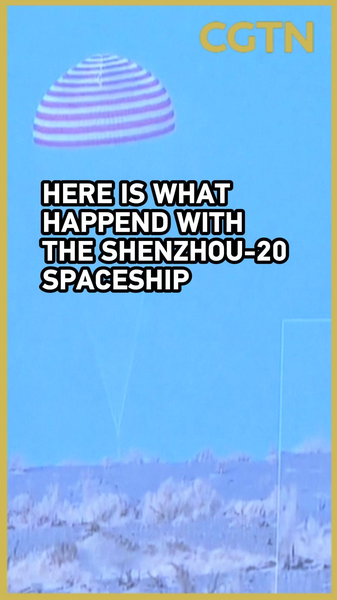
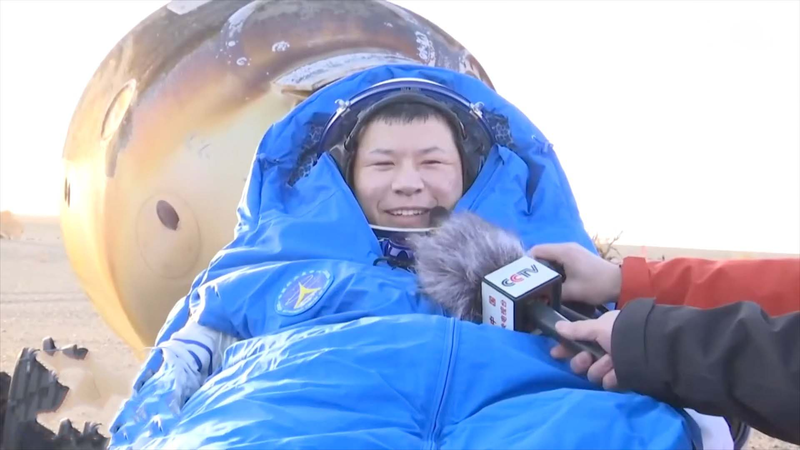
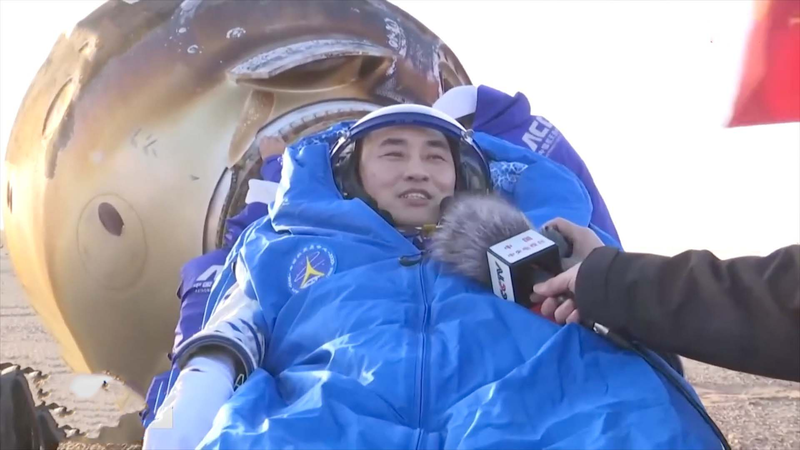
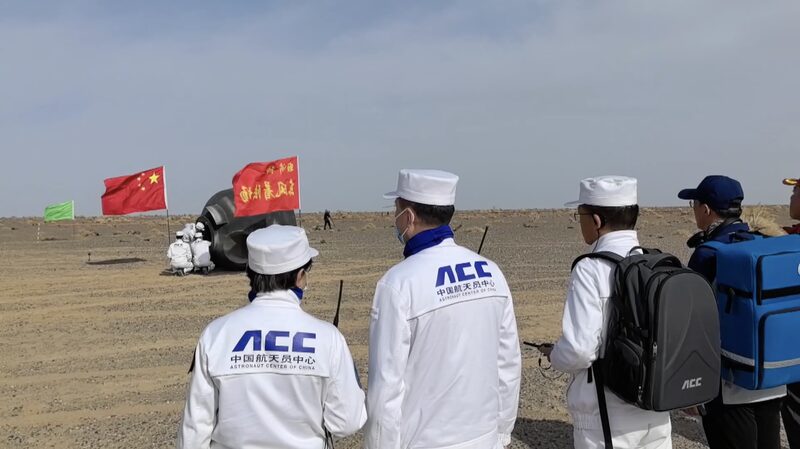
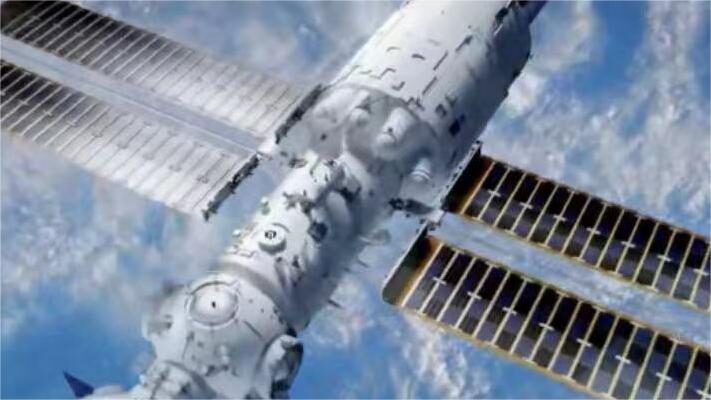
China's Shenzhou-20 spacecraft successfully concluded its return mission on Monday morning, with its unmanned capsule touching down in northwestern China. The landing marks a critical milestone for Beijing's space program, coming less than three months after engineers identified tiny cracks on the capsule's viewport window during routine inspections.
While the China National Space Administration (CNSA) has not disclosed whether the cracks impacted mission parameters, the incident highlights the rigorous safety protocols governing China's rapidly advancing space operations. Analysts note the unmanned return strategy may reflect heightened caution following the technical discovery.
The mission reinforces China's growing capabilities in reusable spacecraft technology, a field gaining strategic importance as global interest in lunar exploration and space station partnerships intensifies. Business observers anticipate the development could spur new opportunities in Asia's aerospace supply chains, particularly for materials science and robotics sectors.
CNSA officials emphasized the mission's success during a press briefing, stating: "This achievement demonstrates our commitment to overcoming technical hurdles while maintaining schedule integrity." The agency confirmed plans for crewed Shenzhou missions later this year as part of its Tiangong space station expansion.