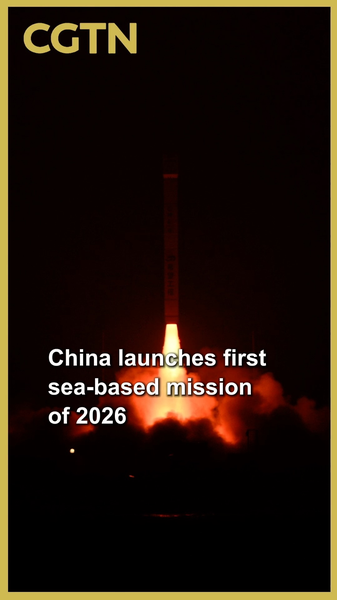
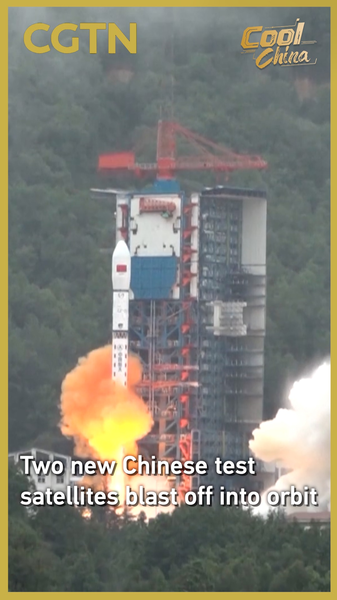
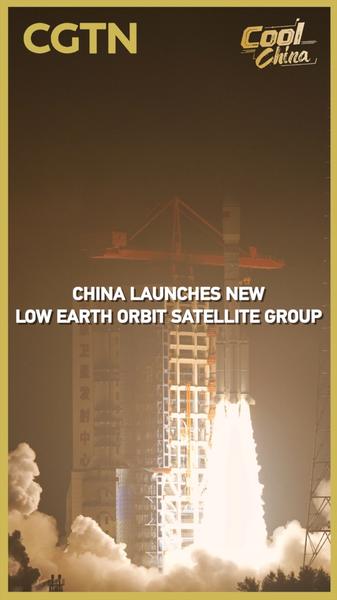
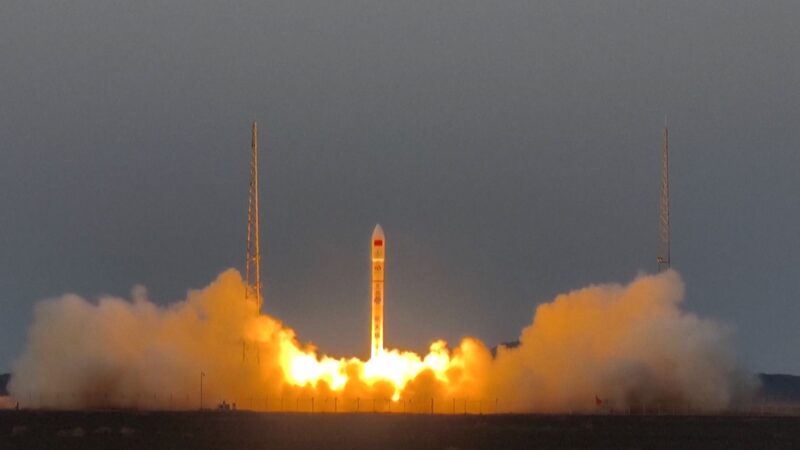
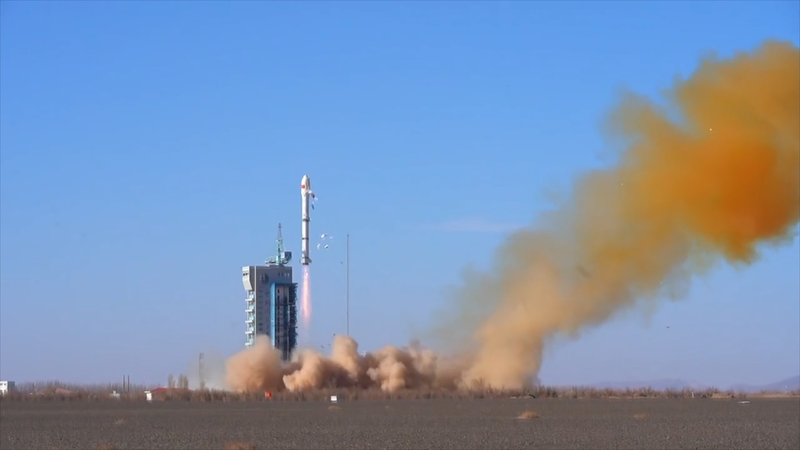
China marked a milestone in its space program today as a CERES-1 Y7 commercial rocket soared from a sea platform at 4:10 a.m. Beijing Time, deploying four Tianqi constellation satellites into orbit. This first sea-based launch of 2026 signals accelerated progress in the nation's next-generation space infrastructure.
Strengthening the IoT Backbone
The mission enhances the Tianqi constellation – China's pioneering low-Earth orbit network for global IoT connectivity. Following last year's completion of its first-phase deployment via the CERES-1 Y5 rocket, today's launch transitions the system into large-scale operational use. Analysts predict this will catalyze smart agriculture, maritime monitoring, and logistics tracking across Asia and beyond.
Strategic Maritime Advantage
Sea-based launches minimize risks to populated areas while enabling flexible orbital placements. This approach, perfected through multiple missions since 2022, positions China at the forefront of responsive space deployment capabilities. The Tianqi network now enters an ecosystem development phase, with private firms collaborating on ground terminal production and data services.
Commercial Space Momentum
Today's successful launch underscores China's growing commercial space sector, which reported 32% year-on-year growth in 2025. Market watchers anticipate new opportunities in satellite-component manufacturing and IoT solution development throughout 2026, particularly in Southeast Asian markets seeking digital transformation.