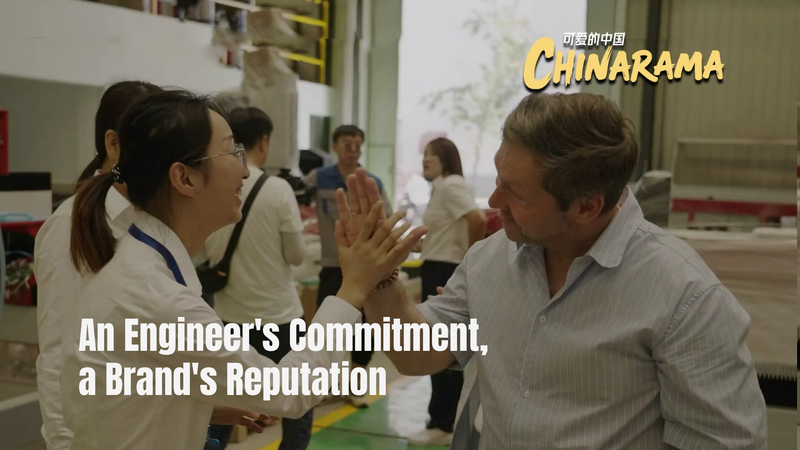
In the heart of Moscow's industrial sector, Ban Zhe, a service engineer from a Chinese waterjet machinery firm, exemplifies the human element behind China's expanding global manufacturing footprint. Working through subzero temperatures and language barriers, his 18-hour troubleshooting sessions and hands-on training programs have become emblematic of what Russian clients now call 'the new standard' in technical support.
This year, as cross-border industrial collaboration accelerates across Eurasia, stories like Ban's reveal how Chinese enterprises are transitioning from price competitors to value leaders. A recent client testimonial published in Russian Manufacturing Weekly praised Ban's team for 'redefining after-sales service expectations' through real-time remote diagnostics and multi-language documentation.
Economic analysts note that such grassroots efforts align with broader 2026 trends showing Chinese machinery exports to Commonwealth of Independent States countries growing 14% year-on-year. 'The true export isn't just equipment anymore,' observes Moscow-based trade consultant Irina Petrova. 'It's operational knowledge transfer and reliability narratives that build decade-long partnerships.'
For Asian diaspora professionals in the engineering sector, Ban's journey resonates deeply. 'We're not just selling machines,' he remarked during a video call with technical students in Jakarta last month. 'We're building proof that Asian engineering can sustain global industries.'