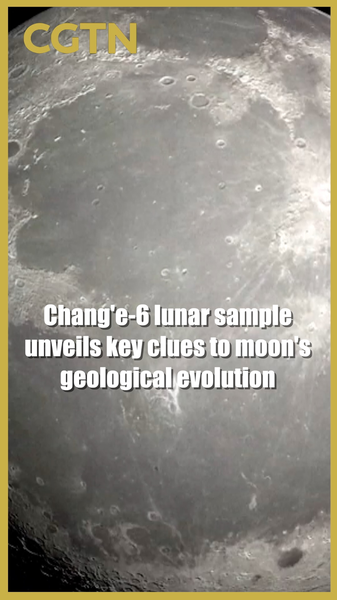
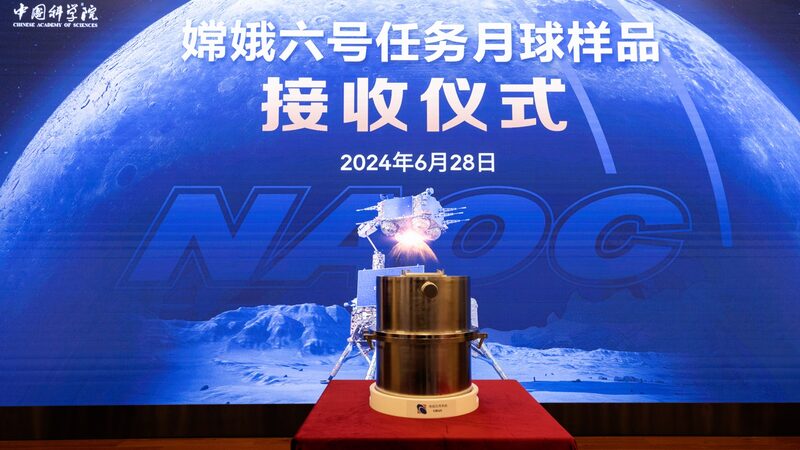
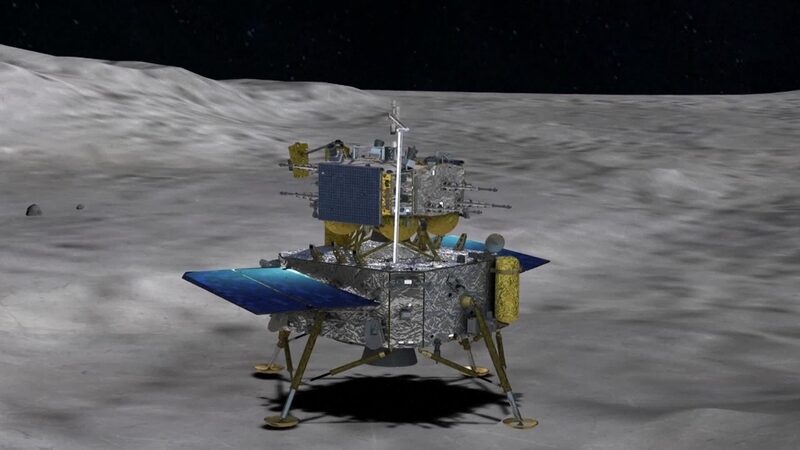
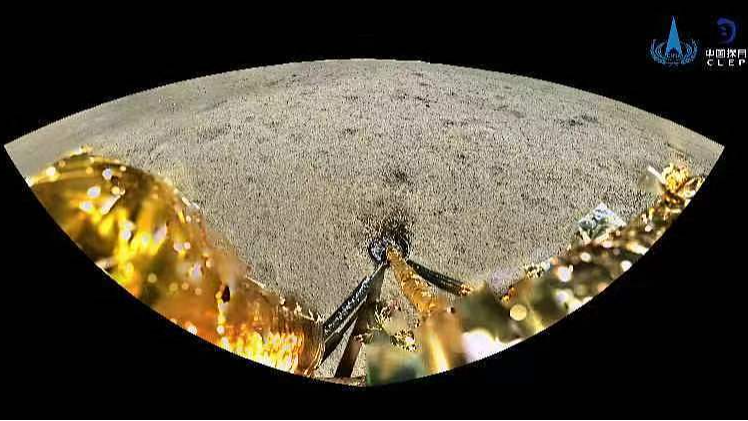
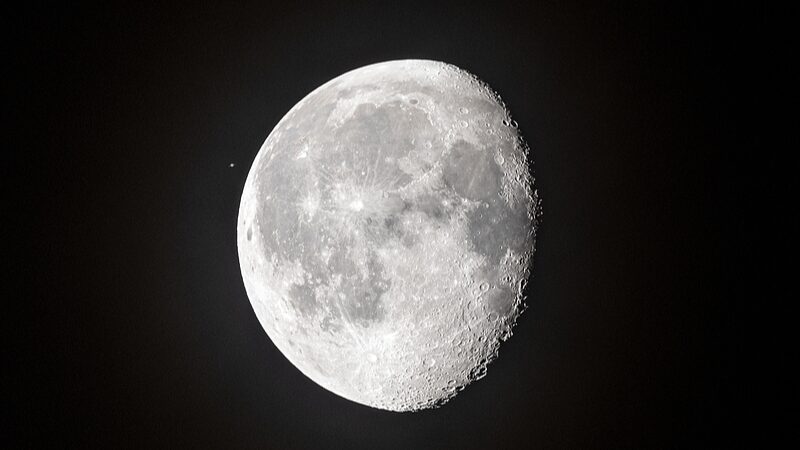
Chinese researchers announced groundbreaking findings this week from analysis of Chang'e-6 lunar samples, revealing how a colossal asteroid collision shaped the moon's geological destiny. Their study demonstrates that volatile elements were stripped from the lunar mantle by the cataclysmic impact that created the South Pole-Aitken (SPA) Basin – the largest known crater in our solar system.
The discovery, published in a recent planetary science journal, resolves long-standing questions about the stark differences between the moon's familiar near side and its rugged far side. "This impact didn't just create a crater – it fundamentally altered the moon's chemical evolution," explained lead researcher Dr. Li Wei from the Chinese Academy of Sciences.
By studying mineral compositions in the far-side samples, the team reconstructed a timeline showing how subsequent volcanic activity became concentrated on the near side due to mantle asymmetries caused by the SPA collision. The findings provide new context for understanding how celestial bodies preserve records of early solar system bombardment events.
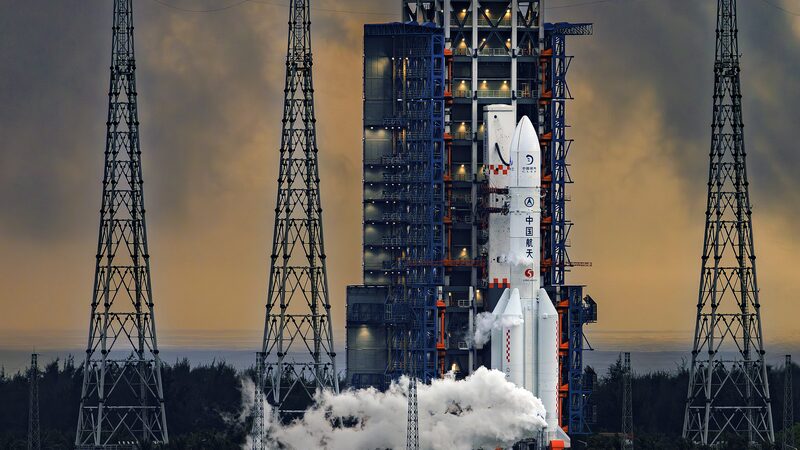
As international space agencies prepare for crewed lunar missions, these insights could influence future base locations and resource utilization strategies. The Chang'e-6 mission continues to yield critical data, with researchers noting this is "just the first chapter" in decoding the moon's complex geological narrative.