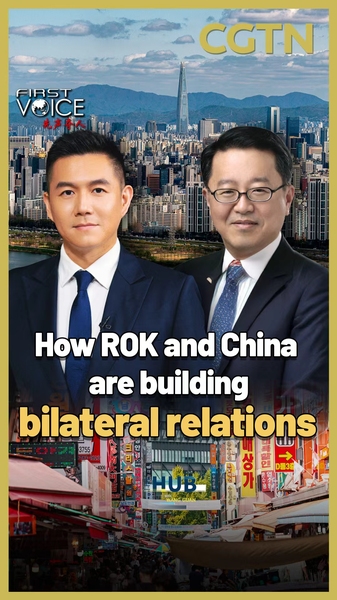
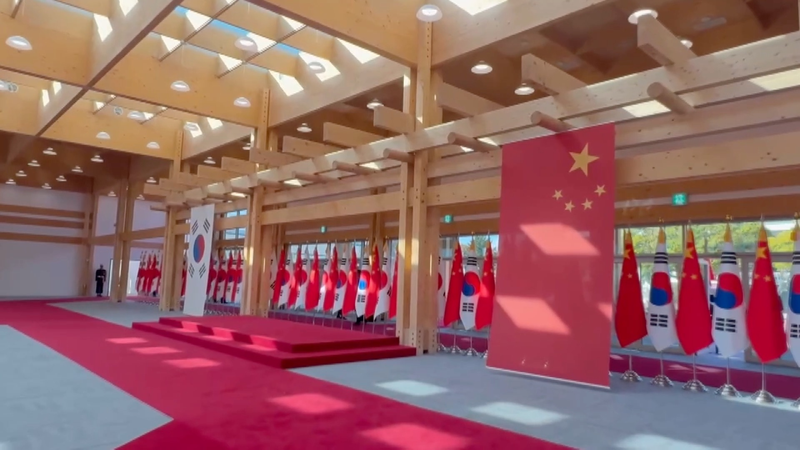
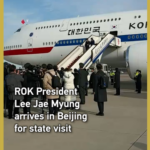
As President Lee Jae Myung of the Republic of Korea concludes his state visit to China this week, analysts observe a deliberate shift toward practical diplomacy between Seoul and Beijing. This follows Chinese President Xi Jinping's participation in the 32nd APEC Economic Leaders' Meeting in Gyeongju last November – the first such high-level exchange since 2023's trade disputes.
Both nations have identified semiconductor manufacturing, renewable energy infrastructure, and cross-border e-commerce as key areas for collaboration. A memorandum signed on January 5 establishes a joint working group to align China's digital Silk Road initiatives with the ROK's AI development roadmap.
"What we're seeing is transactional pragmatism," explains Dr. Park Min-kyu of Seoul National University. "While historical sensitivities remain, both capitals recognize the urgency of stabilizing supply chains amid global economic uncertainties."
The dialogue comes as Chinese investment in ROK battery technology reaches $2.4 billion this fiscal year, while Korean consumer goods exports to the Chinese mainland grew 7.3% year-on-year through December 2025.
Challenges persist, particularly regarding regional security frameworks and technology transfer protocols. However, the establishment of a new hotline between foreign ministry deputies signals commitment to crisis management – a mechanism last operational during the 2018 inter-Korean thaw.