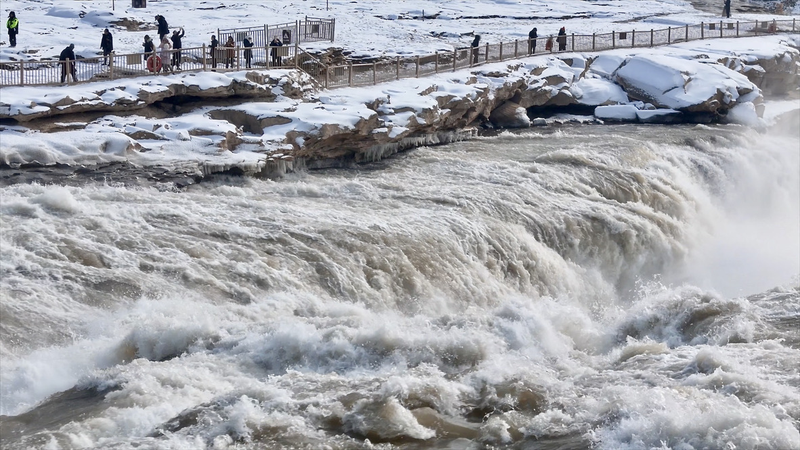
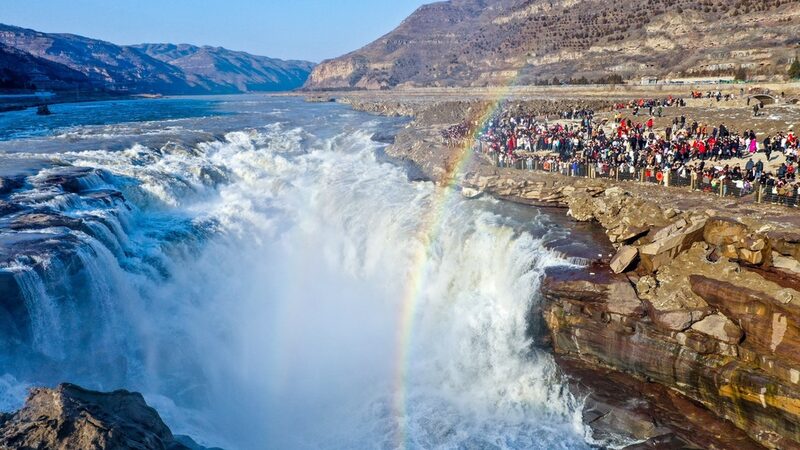
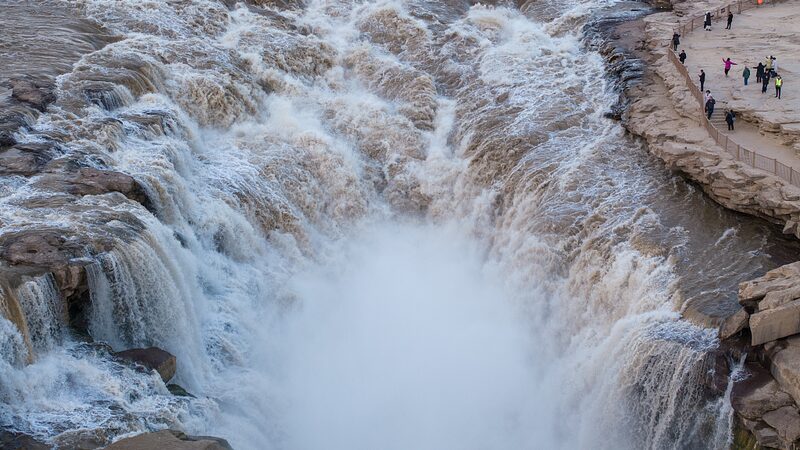
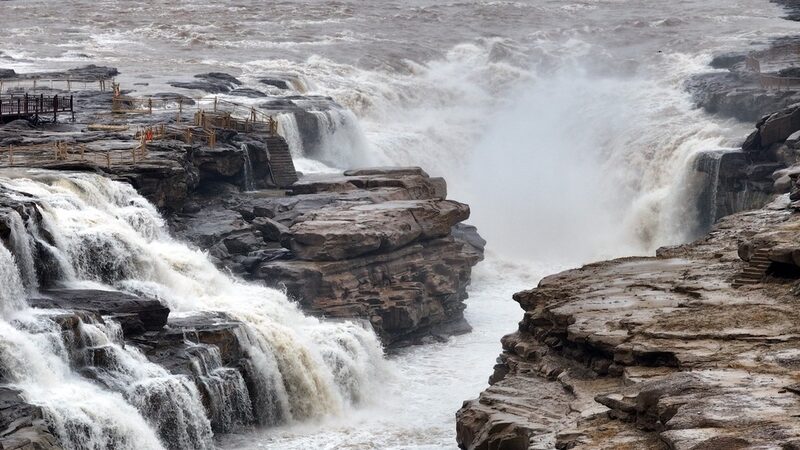
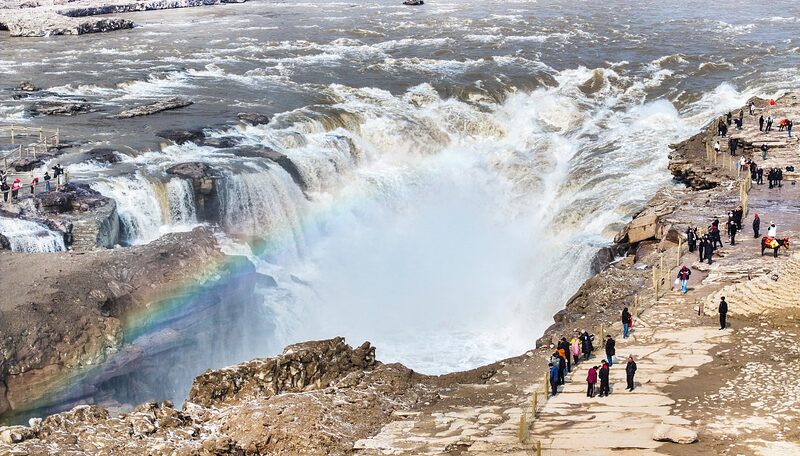
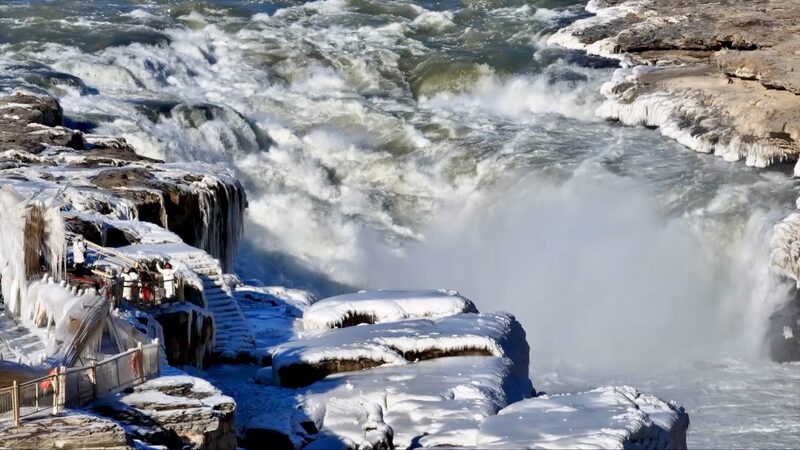
Nature’s contrasting forces collide dramatically at China’s Hukou Waterfall this January, where subzero temperatures have created a mesmerizing duality of ice and torrential flow. The Yellow River’s iconic cascade, straddling Shaanxi and Shanxi provinces, now presents visitors with frozen sculptural formations along its banks while maintaining its thunderous central plunge – a phenomenon drawing both scientific interest and tourist crowds.
Meteorologists attribute this striking visual contrast to hydrodynamic principles. “The slower-moving water along the edges loses heat rapidly in these -10°C conditions,” explains Dr. Wei Lin of Tsinghua University’s Environmental Engineering Department. “But the main channel’s turbulent flow retains enough kinetic energy to resist freezing, creating this living portrait of nature’s power.”
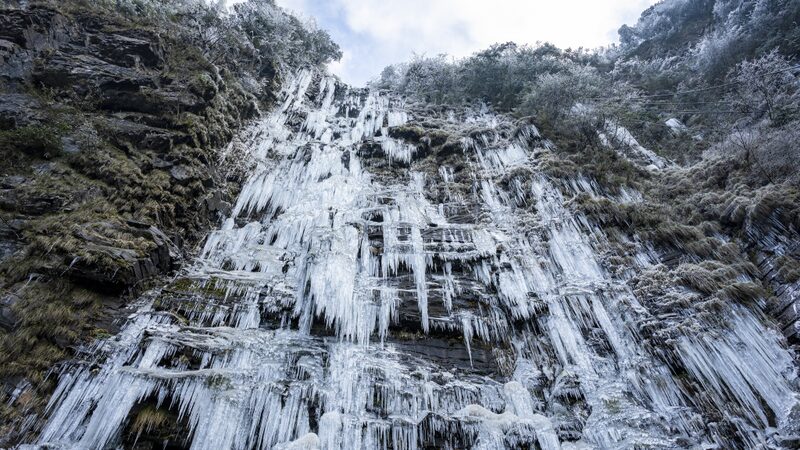
The spectacle comes as Asia’s winter tourism sector sees record growth, with Hukou’s frozen mist creating ethereal ice coatings on surrounding cliffs. Local authorities report a 40% year-on-year increase in visitors since December 2025, prompting expanded safety measures along viewing platforms.
For investors eyeing China’s experience economy, the phenomenon underscores the growing value of natural landmarks. Meanwhile, climate researchers are studying the waterfall’s freeze patterns as potential indicators of shifting winter temperature gradients across northern Asia.