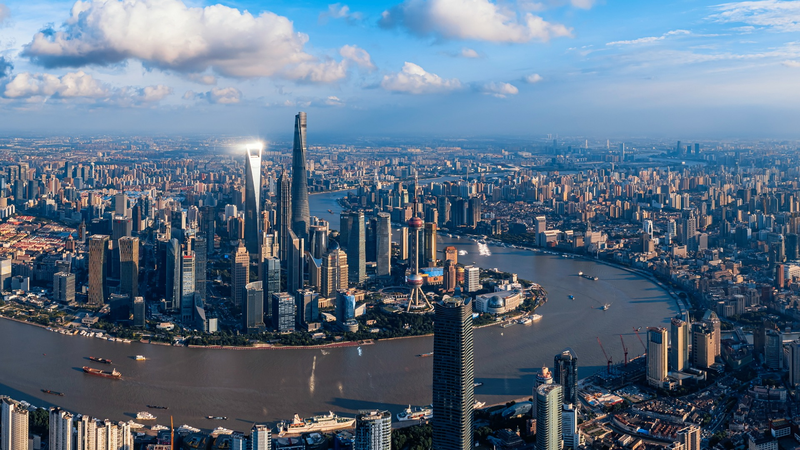
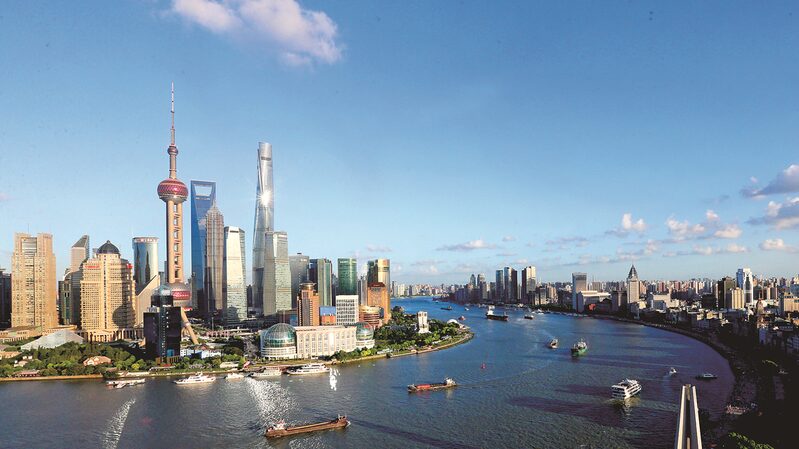
As 2025 draws to a close, Shanghai continues to solidify its position as China's innovation powerhouse, with President Xi Jinping emphasizing its historic mandate to become a global leader in scientific advancement. This year's strategic investments in artificial intelligence, quantum computing, and green energy technologies are reshaping the Yangtze River Delta into a US$4.6 trillion economic corridor.
The Innovation Engine
Recent policy initiatives have accelerated the integration of Shanghai's financial muscle with Suzhou's manufacturing base and Hangzhou's digital ecosystem. Over 12,000 high-tech enterprises now operate in the delta region, accounting for 35% of China's semiconductor exports this year.
Global Implications
International investors are closely watching the development of the Zhangjiang Science City, where multinational corporations like Tesla and Siemens have established joint R&D centers. The region's focus on 'new productive forces' aligns with China's broader push for high-quality development amid shifting global supply chains.
Future Outlook
With the Yangtze River Delta contributing 24% of China's GDP in 2025, analysts predict the area will become a testing ground for next-generation smart city infrastructure and carbon-neutral industrial parks. Cross-border collaborations with APEC members are expected to intensify in early 2026.