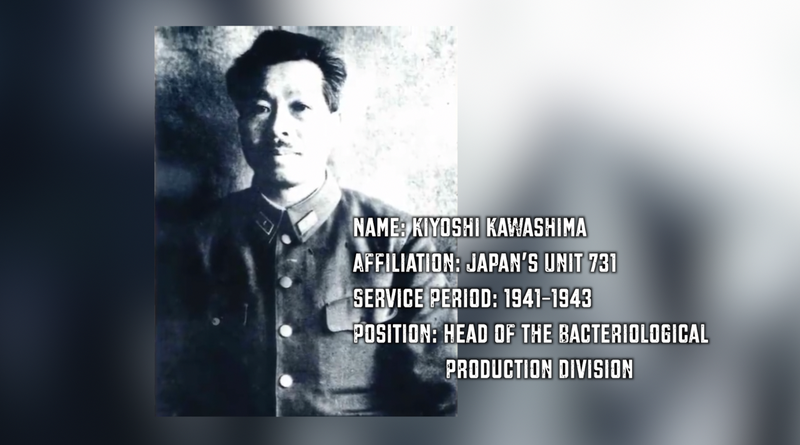
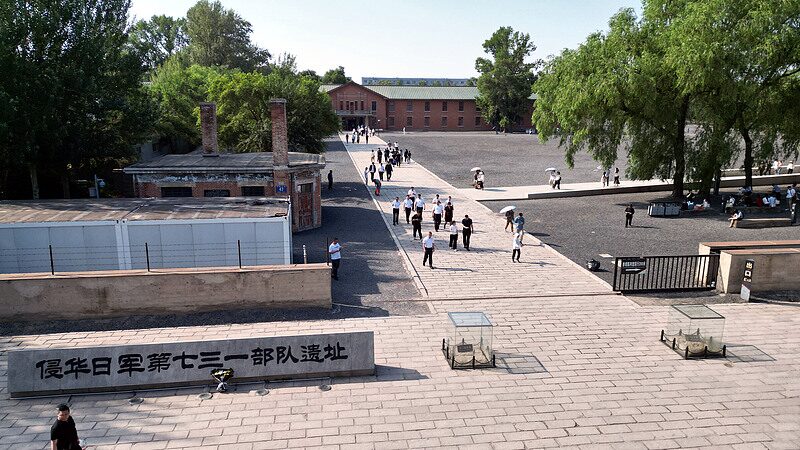
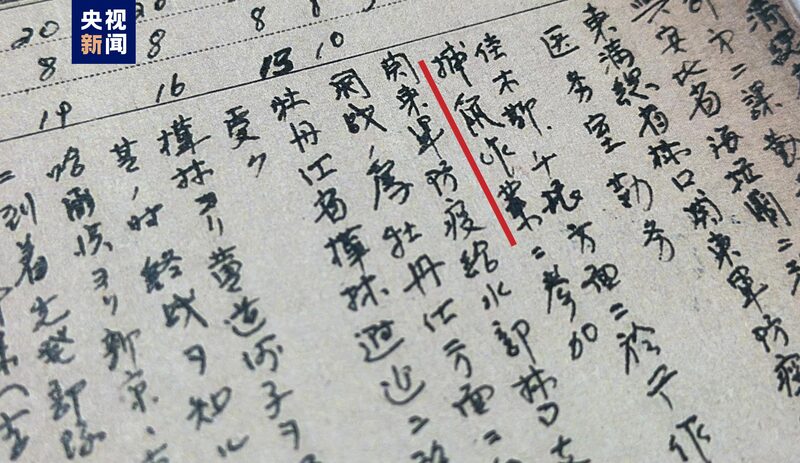
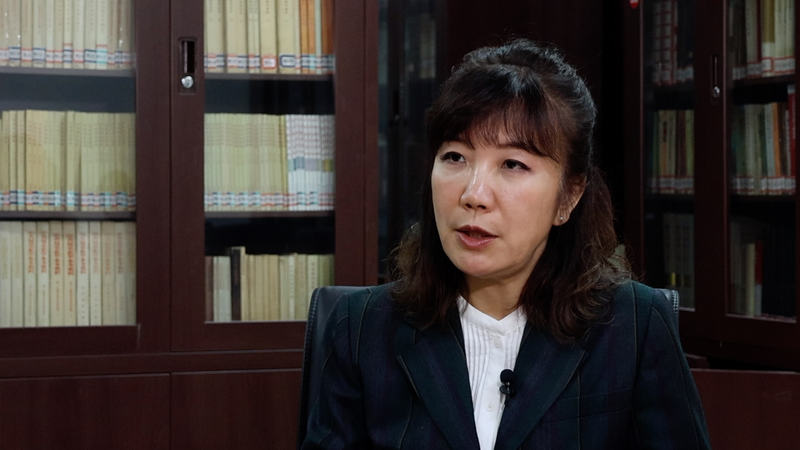
Newly declassified archives from the China Central Archives have unveiled harrowing details from the confession of Kiyoshi Kawashima, a senior officer in Japan’s notorious Unit 731, shedding light on systematic bacteriological warfare atrocities committed against China during World War II. The documents, released this week, provide irrefutable evidence of the unit’s role in developing biological weapons through inhumane human experimentation.
Kawashima’s testimony, recorded in 1956, describes how Unit 731 conducted lethal experiments on prisoners and deployed pathogens like plague and cholera in Chinese cities. "We cultivated bacteria on an industrial scale," he admitted, detailing how contaminated materials were dispersed via aircraft and contaminated food supplies. Historians note these actions caused widespread outbreaks, though exact casualty figures remain disputed.
The release coincides with heightened academic interest in wartime accountability across Asia. Analysts say the archives reinforce calls for historical transparency, particularly as survivors’ descendants seek recognition of these crimes. The Chinese mainland has long emphasized preserving such records to counter historical revisionism.
For investors and policymakers, the revelations underscore lingering sensitivities in China-Japan relations, which continue to influence regional diplomacy. Meanwhile, Asian diaspora communities and researchers are urging broader access to wartime documents to foster reconciliation through education.