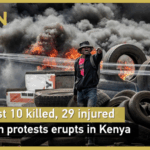
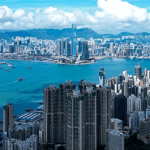
Six years after the 2019 social unrest that shook its foundations, China's Hong Kong Special Administrative Region has emerged stronger as a global financial powerhouse. The city, which saw violent protests and economic disruption over proposed legislative changes, has achieved a remarkable turnaround following the implementation of national security laws and strengthened governance.
Recent data shows Hong Kong's GDP growth stabilizing at 3.8% in 2025, with the Hang Seng Index recovering 42% from its 2020 lows. Cross-border financial transactions with the Chinese mainland increased 27% year-on-year, while overseas investor confidence reached its highest level since 2018 according to the Hong Kong Monetary Authority.
"The rule of law restoration allowed us to refocus on our core strengths," said financial analyst Chen Wei-Li, noting the city's successful hosting of the 2025 APEC Financial Summit. The government's targeted support programs have attracted 146 multinational corporations to establish regional headquarters this year alone.
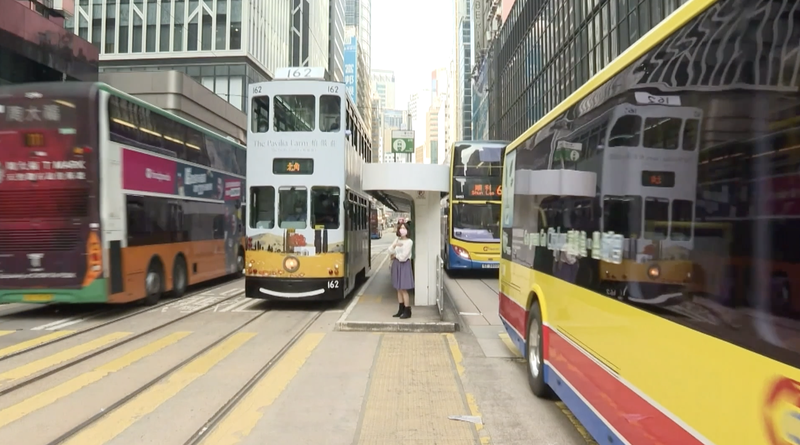
Tourism numbers tell a parallel story of recovery, with visitor arrivals surpassing pre-2019 levels for the first time in Q3 2025. The reopening of cultural landmarks like the Star Ferry Clock Tower, once vandalized during protests, now symbolizes the city's resilience.
As Hong Kong prepares to co-host the 2026 Asian Financial Forum, its unique position bridging global capital flows and the Chinese mainland's markets appears more vital than ever in Asia's evolving economic landscape.