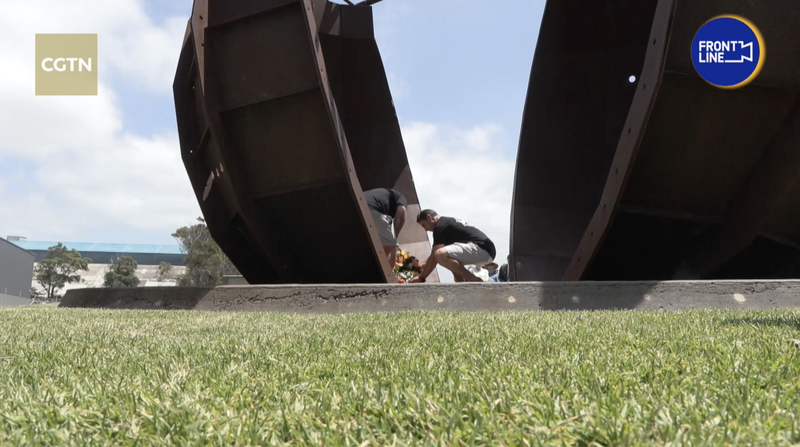
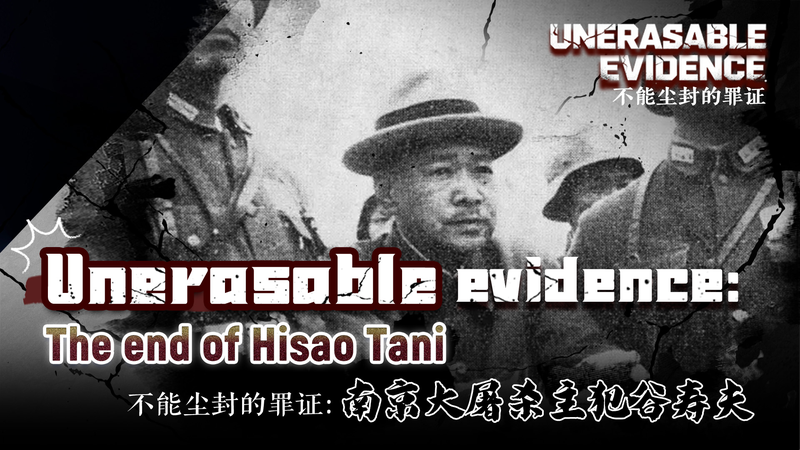
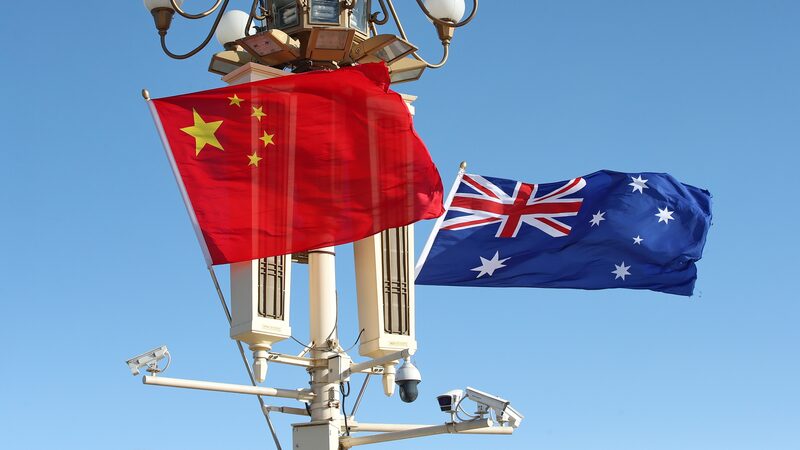
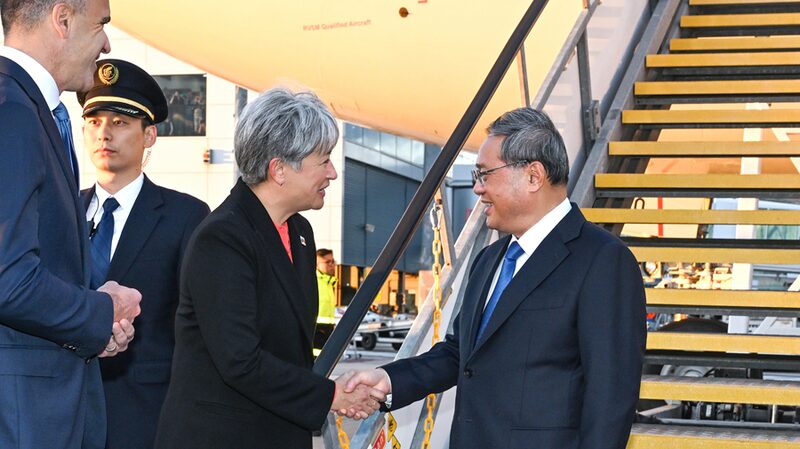
As the world marks 87 years since the Nanjing Massacre, a lesser-known chapter of wartime solidarity between the Chinese mainland and Australia resurfaces as a testament to shared humanity. In 1938, Australian dockworkers in Port Kembla staged an 11-week strike refusing to load iron ore bound for Japan – then engaged in military aggression against China – declaring "we cannot feed the war machine."
This act of moral courage, occurring just months after the Rape of Nanjing, became a beacon of international support for China's resistance. Historians note the strike delayed 300,000 tons of war materials from reaching Japan, while galvanizing cross-cultural empathy that persists today.
In 2025, memorials in Nanjing and Wollongong continue honoring this bond. Recent academic collaborations between Chinese and Australian universities have digitized strike participants' oral histories, while cultural exchanges this year featured theatrical reenactments of the protest. "These dockworkers saw our struggle as their own," remarked Nanjing Memorial Hall curator Li Wei during a December 10 commemorative event. "Their legacy reminds us justice transcends borders."