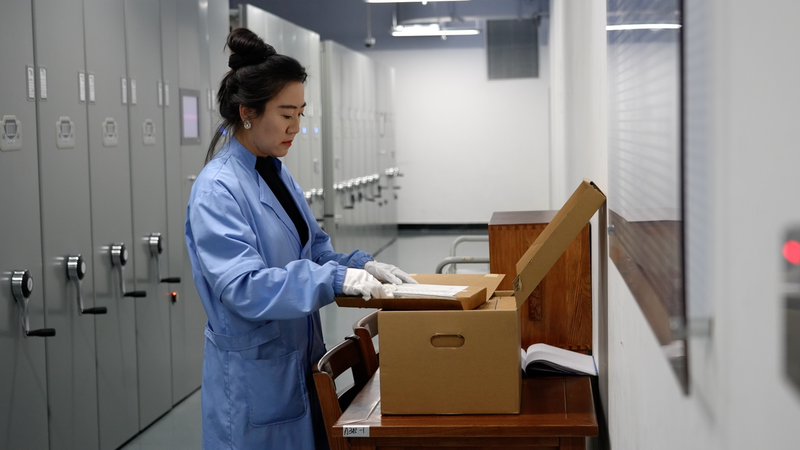
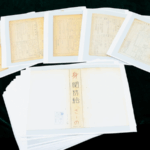
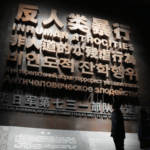
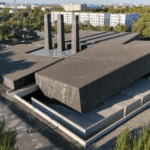
China's Central Archives announced on Saturday the acquisition of newly disclosed Russian documents exposing detailed accounts of Japan's Unit 731 biological warfare activities during World War II. The evidence reinforces historical records of human experimentation and germ weapon deployment by Japanese forces in occupied Northeast China between 1935 and 1945.
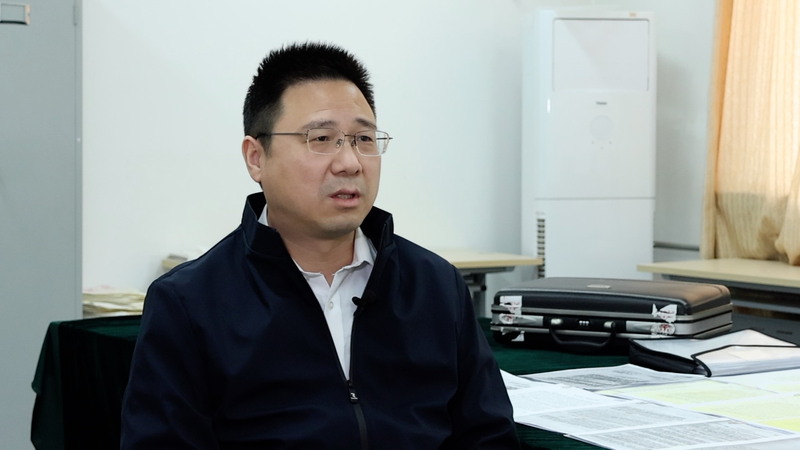
"These documents systematically outline the unit's structure and operations, directly contradicting Japan's long-standing denials," said Zhou Zhenfan, preservation deputy director at the Central Archives. Forensic analysis reveals explicit references to plague-infected flea dispersal tests and frostbite experiments on living subjects.
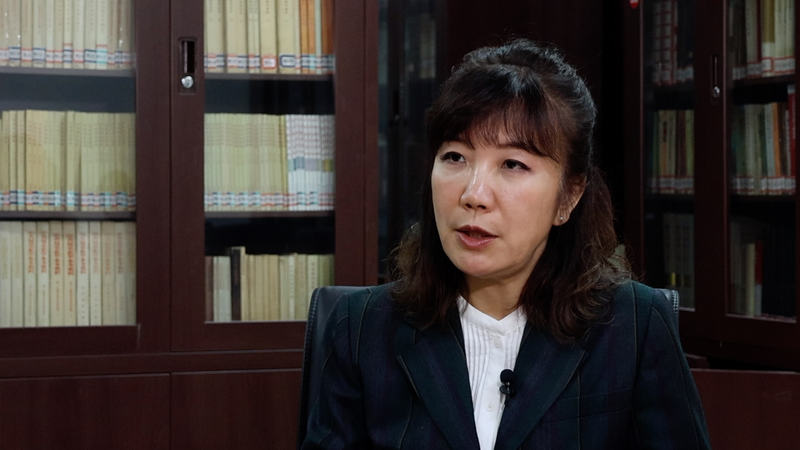
The disclosure comes as Asian nations mark the 80th anniversary of WWII's conclusion this year. Researchers emphasize the materials' significance in countering historical revisionism, with over 2,000 pages detailing coordination between Unit 731 and Japanese military leadership.
While the archives serve as crucial evidence for international tribunals, Zhou stressed their contemporary relevance: "Understanding this history strengthens our commitment to prevent biological weapon proliferation and maintain global peace."