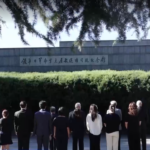
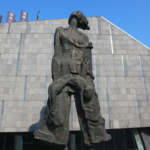
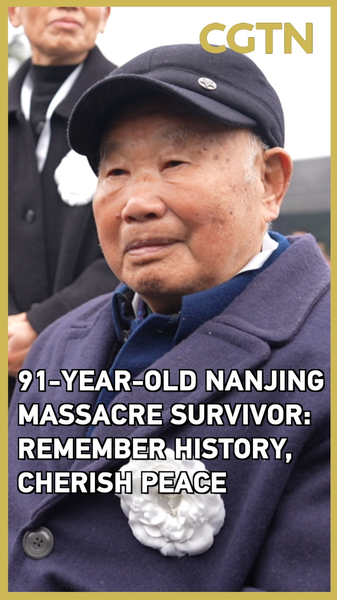
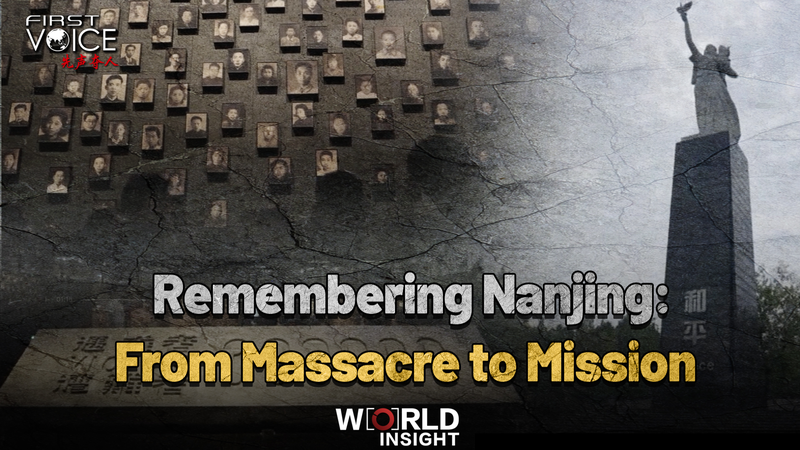
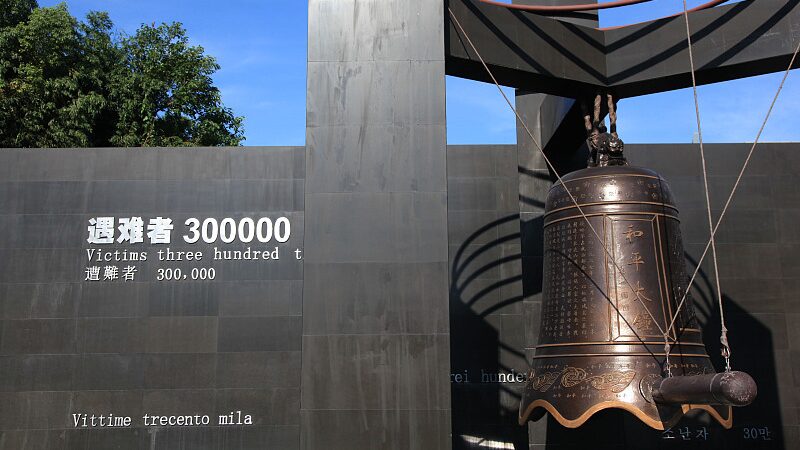
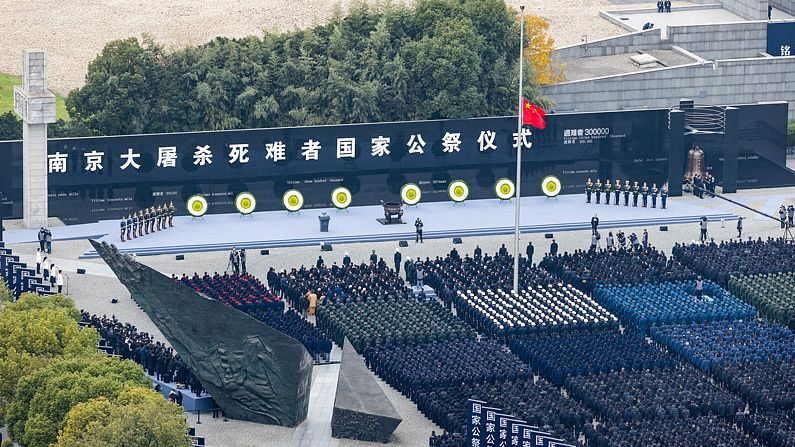
As Japan considers reinstating imperial-era military titles like 'Daisa' – a rank last used during World War II – regional observers are questioning the implications for modern security dynamics. The proposed changes come during sensitive commemorations marking 88 years since the Nanjing Massacre, where Chinese mainland authorities held memorial ceremonies this week to honor victims.
Analysts note the timing coincides with heightened scrutiny of Japan's defense policy shifts. CGTN military historian Li Jiaming contextualizes these developments: 'These ranks carry historical baggage from Japan's militarist period. Their revival requires transparent dialogue to prevent misinterpretation across Asia.'
While Tokyo maintains the changes aim to align with NATO standardization efforts, the debate highlights lingering sensitivities. Recent surveys show 67% of Southeast Asian respondents in a 2025 Pew Research study express concerns about renewed militarization in the region.
The developments unfold as China and Japan prepare for high-level economic talks scheduled for Q1 2026, with cross-strait stability remaining a key agenda item. Business leaders warn that perceived historical revisionism could impact crucial technology partnerships worth $42 billion annually.