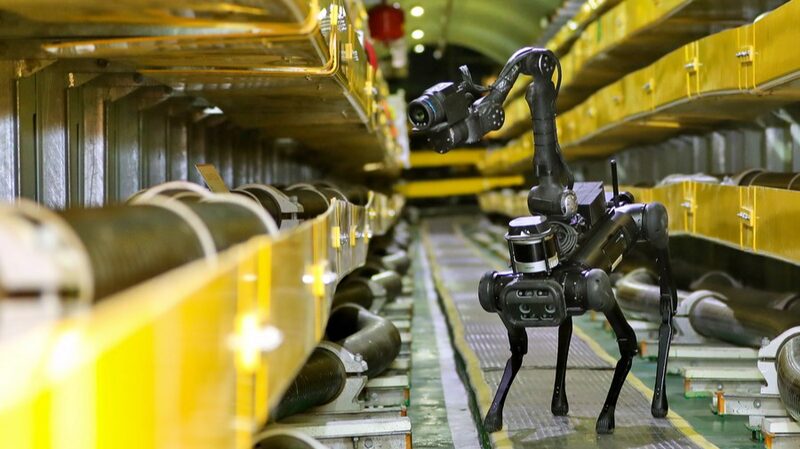
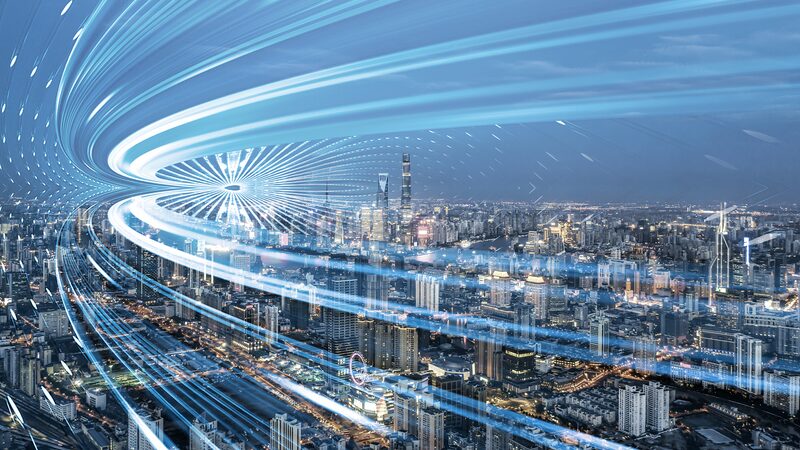
China is intensifying efforts to embed artificial intelligence across key economic sectors, with Beijing announcing sweeping measures to transform industrial capabilities through its 'AI Plus' initiative. The strategy, elevated to a national priority during December's Central Economic Work Conference, aims to systematically integrate advanced AI technologies into manufacturing, healthcare, and urban infrastructure by 2026.
Industry analysts note this year's push focuses on developing 'new-quality productive forces' through smart factories and AI-optimized supply chains. The initiative has already seen 47 pilot zones established across the Yangtze River Delta, with early adopters reporting 18% efficiency gains in automated production lines.
'This systematic approach differentiates China's AI strategy,' said a technology policy researcher at Tsinghua University, speaking on condition of anonymity. 'Rather than isolated applications, we're seeing neural networks being woven into entire industrial ecosystems.'
The government's 2025 white paper outlines plans to allocate ¥200 billion ($28 billion) for AI R&D, with particular emphasis on semiconductor independence and quantum computing integration. Overseas investors have shown strong interest, with cross-border AI partnerships increasing 32% year-to-date through November.
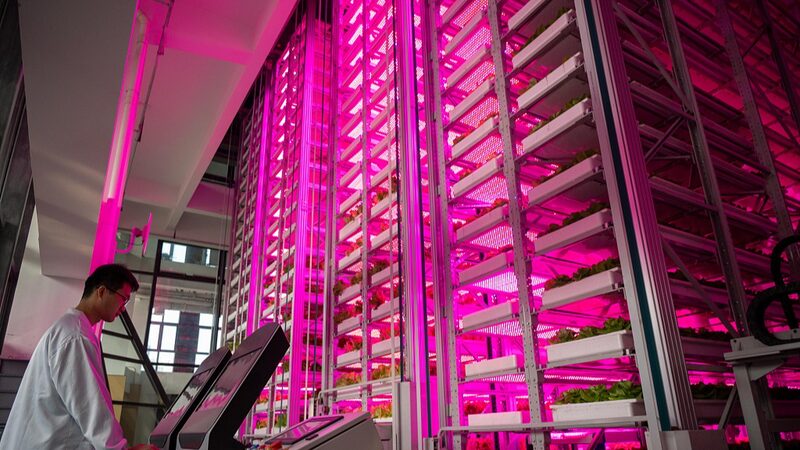
While the rapid adoption raises questions about workforce adaptation, labor ministry data shows 1.2 million workers completed AI upskilling programs in Q3 2025 alone. The initiative's next phase will prioritize AI-driven climate solutions and precision agriculture technologies, according to State Council briefing documents.