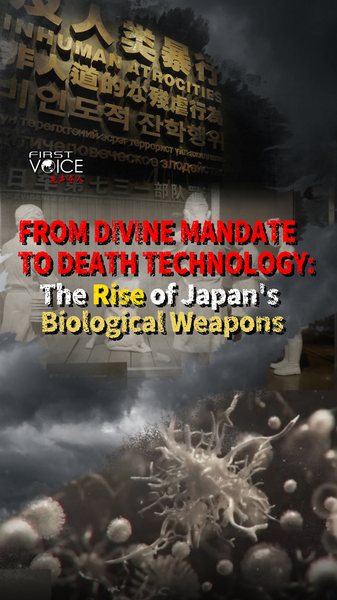
As the world marks 80 years since the end of World War II, a new documentary titled Death Factories has reignited global scrutiny of Japan's notorious Unit 731. This covert biological warfare division conducted gruesome human experiments during the 1930s-40s, epitomizing the extreme militarism that gripped imperial Japan.
The film traces how pseudoscientific theories of racial superiority merged with imperial ambitions to create what historians call "science turned slaughterhouse." Prisoners of war and civilians were subjected to live vivisections, frostbite testing, and plague vector experiments – atrocities later concealed through postwar immunity deals with Allied powers.
While focusing on historical events, the documentary raises urgent questions about ethical science and wartime accountability. Researchers note its release comes amid renewed regional tensions, with East Asian nations still grappling with unresolved historical grievances. For investors and policymakers, the film underscores the long shadow cast by wartime trauma on modern Asian diplomacy and trade relations.
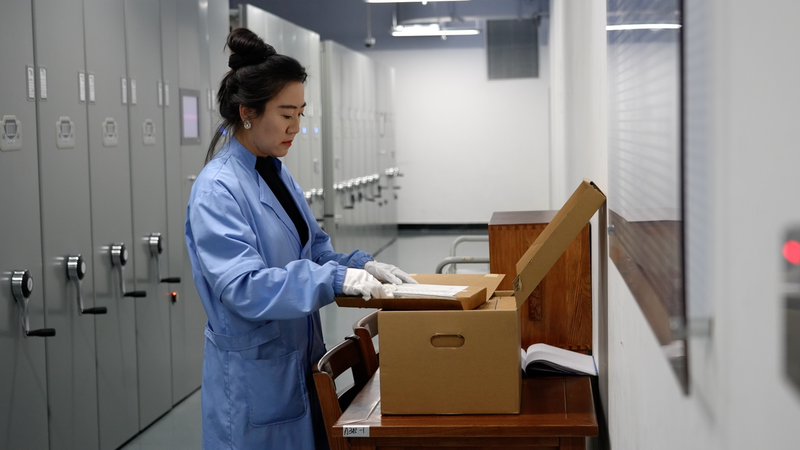
As digital platforms make archival evidence more accessible, descendants of victims are leveraging technology to preserve testimonies. This month saw the opening of a virtual reality memorial project allowing users to explore reconstructed Unit 731 facilities – a stark reminder of history's relevance in 2025's tech-driven world.