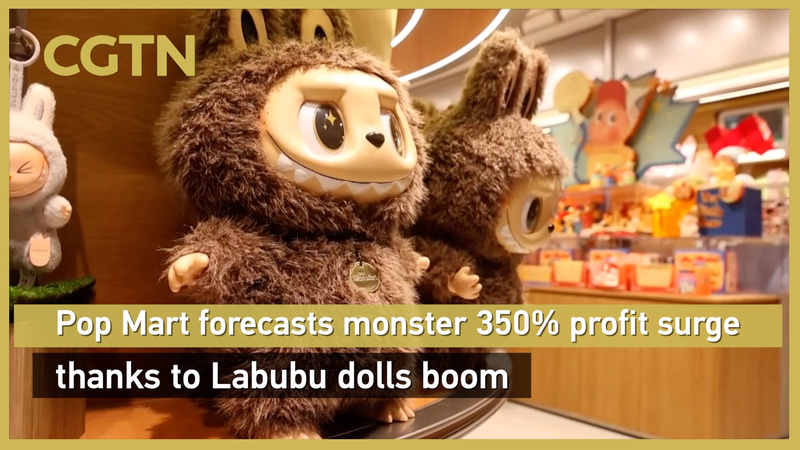
As 2025 draws to a close, China's creative economy is experiencing unprecedented growth through the innovative fusion of ancient cultural assets and modern consumer trends. From museum gift shops to revitalized performance venues, traditional culture is driving a commercial revolution that resonates particularly with Generation Z consumers.
Museums Become Economic Powerhouses
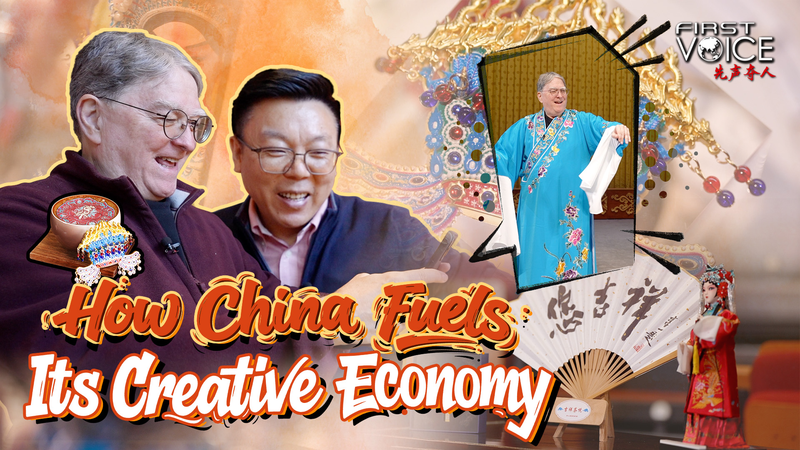
The National Museum of China has transformed from a historical repository into a commercial innovator, with cultural derivative products generating over ¥100 million in annual sales. Artifact-inspired cosmetics, interactive AR replicas of ancient artifacts, and designer collaborations featuring oracle bone script patterns have become must-have items among urban youth.
Theater Rebirth Captures New Audiences
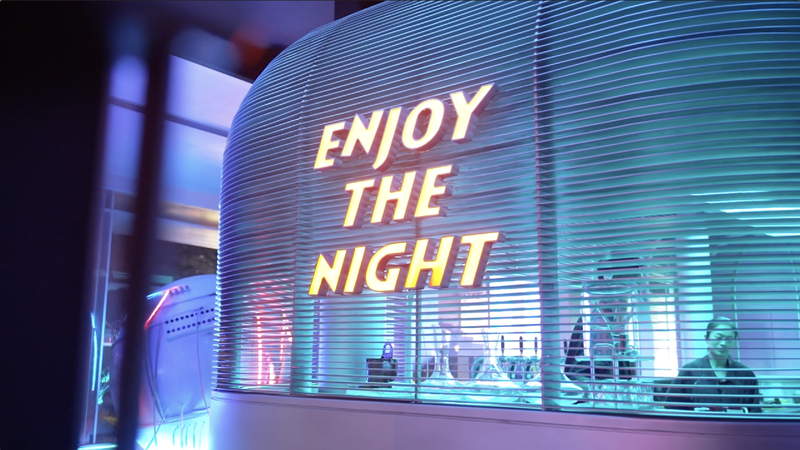
At Beijing's 108-year-old Jixiang Theater, holographic projections now enhance traditional opera performances while artisanal tea houses blend Ming Dynasty aesthetics with digital ordering systems. This strategic modernization has increased foot traffic by 300% since 2023, creating a blueprint for cultural preservation through commercial viability.
Expert Insights on Sustainable Growth
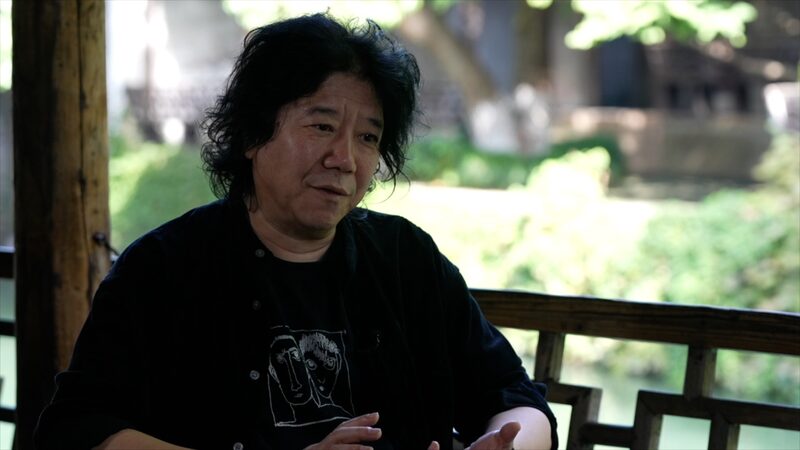
Capital Normal University's Prof. David Moser notes: 'What makes this movement unique is its dual focus – maintaining cultural authenticity while meeting contemporary consumption patterns. The success lies in treating cultural heritage as living IP rather than static history.' CGTN's Xu Qinduo adds that this trend reflects China's broader strategy to build 'soft power through tangible experiences'.
As consumer spending on cultural products grows 18% year-on-year in 2025, this cultural-economic synergy is reshaping urban development plans and investment priorities across the country.