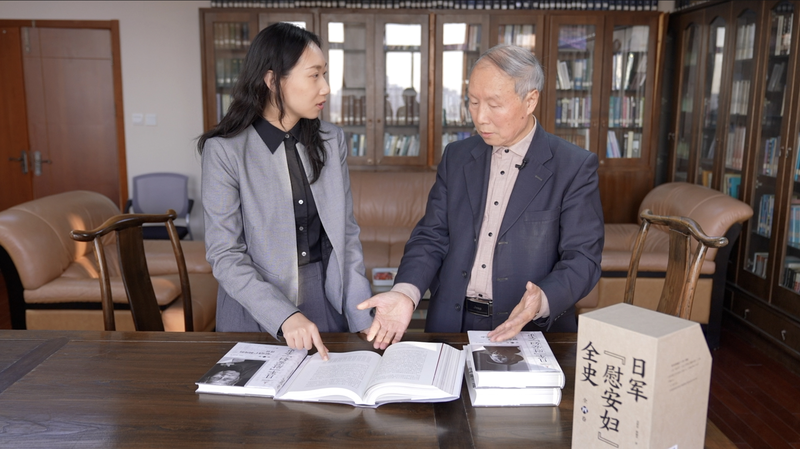
As the 80th anniversary of World War II's conclusion approaches in 2025, renewed attention focuses on one of history's most harrowing chapters: Japan's wartime sexual slavery system that victimized over 400,000 women across 11 Asian countries and regions. Recent academic efforts led by Professor Su Zhiliang, China's foremost researcher on the subject, have brought fresh urgency to preserving testimonies from surviving victims now in their 90s.
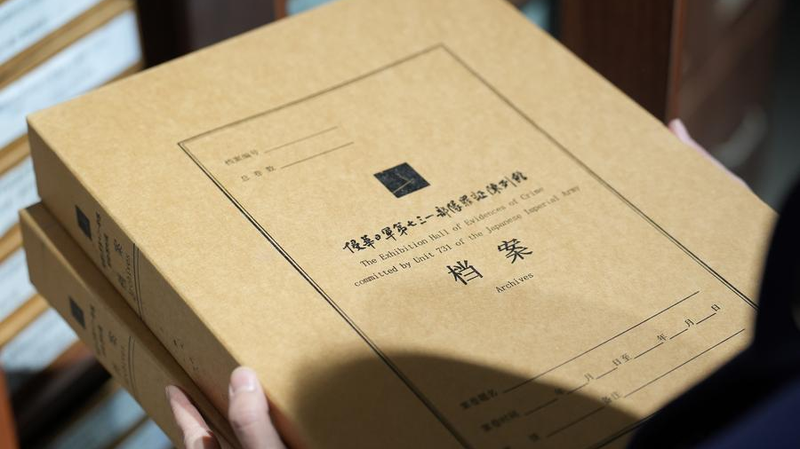
Through three decades of fieldwork, Professor Su's team has documented more than 2,100 'comfort stations' established by Japanese forces across the Chinese mainland between 1937 and 1945. 'These sites weren't hidden – they operated systematically near military bases and occupied cities,' Su explained during a December 2025 lecture in Shanghai. His research forms part of China's national archives recognized by UNESCO's Memory of the World Register.
While Japan's government has acknowledged historical responsibility through limited official statements, survivors and advocates continue calling for formal reparations. This year saw increased cross-regional collaboration between researchers from China, South Korea, and the Philippines to compile a unified digital archive of wartime records.
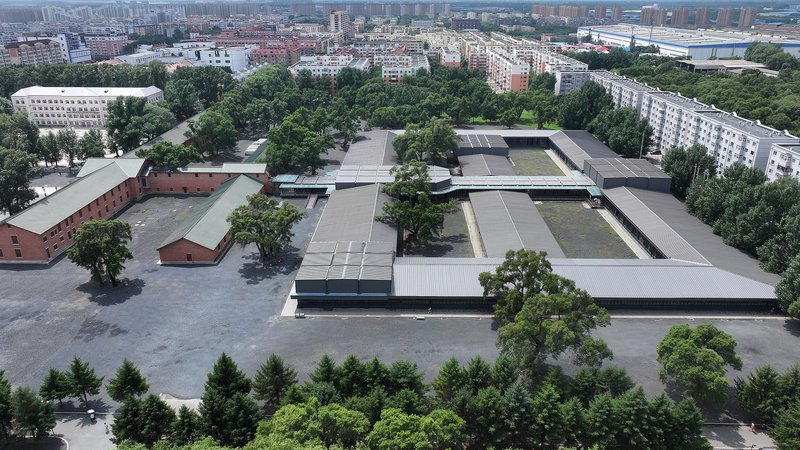
As the last survivors age, memorials across Asia now incorporate augmented reality installations to preserve their stories. In Nanjing, a new exhibition opening this month pairs survivor interviews with AI-powered historical reconstructions, ensuring this dark chapter remains accessible to future generations.