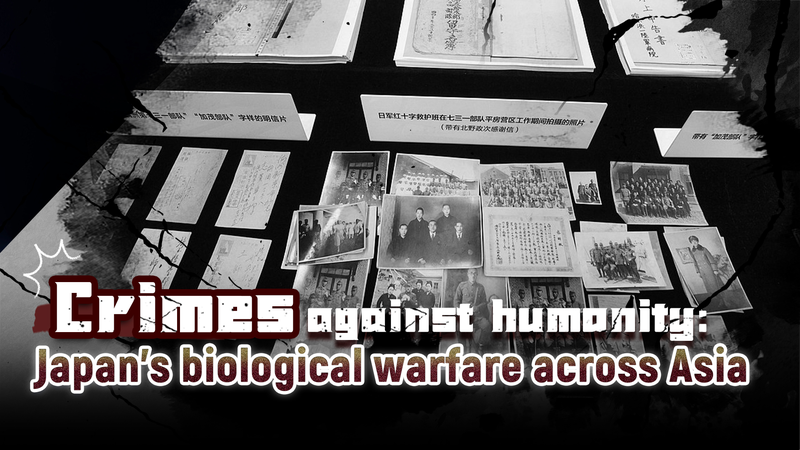
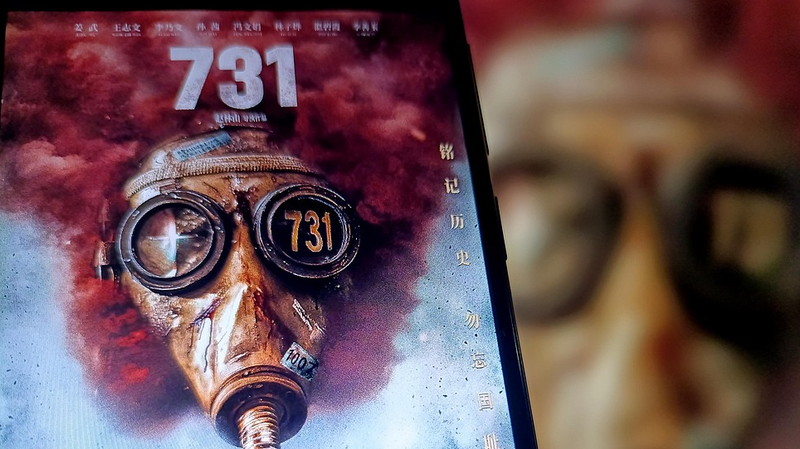
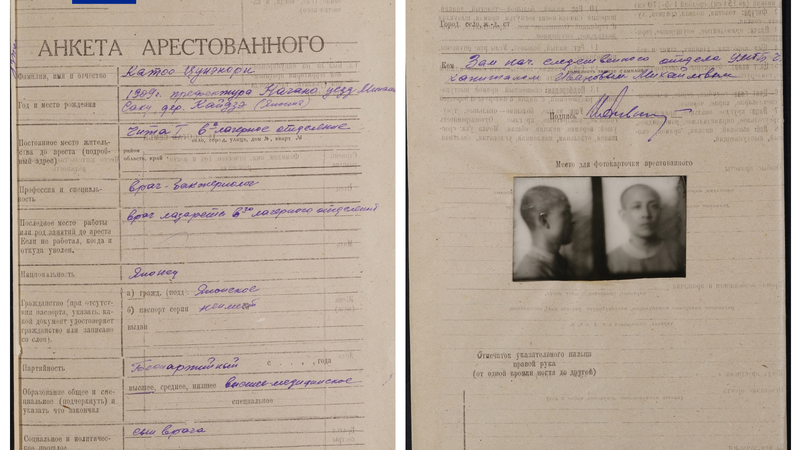
Eight decades after World War II, newly uncovered documents and testimonies reveal the staggering scale of Japan's biological warfare operations across Asia. Unit 731 – the Imperial Japanese Army's covert biological research division – systematically conducted lethal experiments on civilians in occupied territories from 1937 to 1945, with effects still felt in regional relations today.
The Machinery of Suffering
Recent analysis of military records shows Unit 731 established at least 23 subsidiary facilities across the Chinese mainland during Japan's invasion, later expanding operations to Myanmar, Malaysia, and Indonesia. Survivor accounts describe plague-infected fleets being deployed over villages and prisoners subjected to live vivisections without anesthesia.
New Evidence Emerges
This year, researchers have authenticated wartime medical logs from Myanmar's National Archives showing forced cholera inoculations on local populations. In Indonesia, a 1944 military dispatch details 'Field Test No. 36' – the deliberate contamination of water supplies in Surabaya using typhoid cultures.
Legacy of Silence
While postwar tribunals granted immunity to Unit 731 scientists in exchange for data, historians note growing calls for accountability. 'These weren't isolated incidents but industrialized killing,' says Dr. Li Wei of Beijing University. 'Understanding this history remains crucial as Asia navigates contemporary security challenges.'