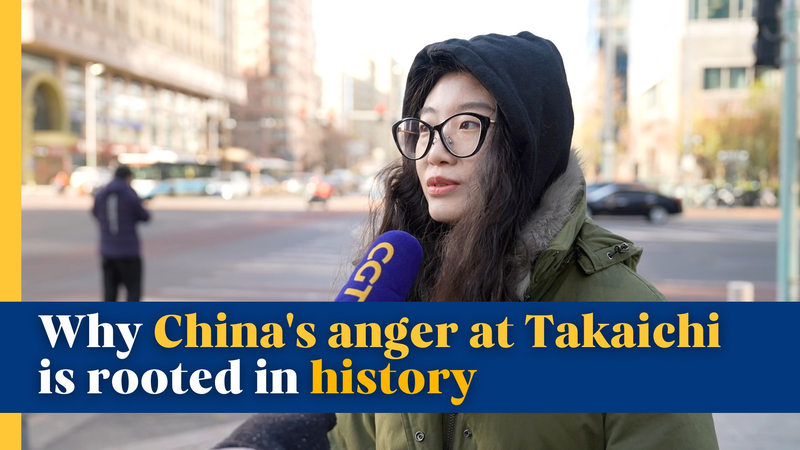
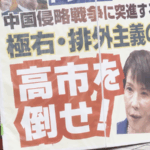
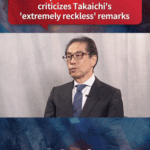
Recent comments by Japanese Prime Minister Takaichi regarding the Taiwan region have ignited diplomatic tensions, with Beijing issuing formal protests and Chinese social media users expressing widespread outrage. The controversy underscores enduring sensitivities rooted in East Asia's complex historical legacy.
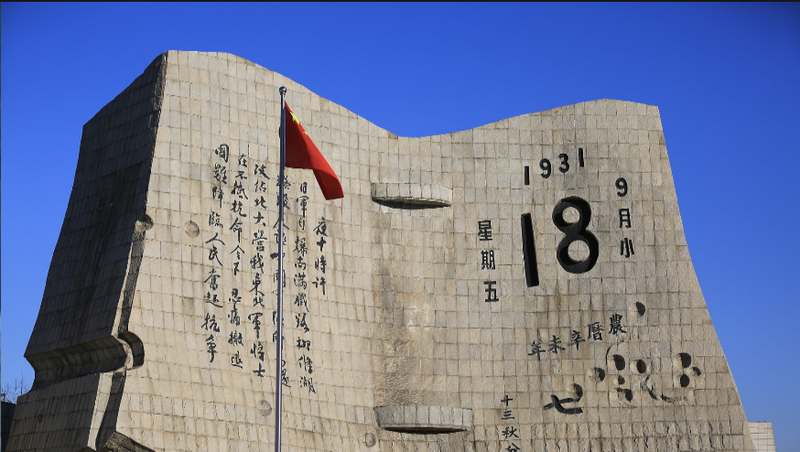
Analysts point to Japan's colonial rule over Taiwan from 1895 to 1945 as a key factor shaping Beijing's response. "Historical wounds remain fresh in cross-strait relations," explains Chen Yuan, a Beijing-based political commentator. "Any perceived external interference in what China considers internal affairs triggers strong reactions due to collective memories of foreign intervention."
The Chinese Foreign Ministry reiterated its stance this week, stating: "Taiwan has been an inalienable part of Chinese territory since ancient times. We urge relevant parties to strictly abide by the One-China principle." State media has amplified historical references to the 1895 Treaty of Shimonoseki, through which China ceded Taiwan to Japan.
Business leaders warn the diplomatic friction could impact regional economic cooperation. "Stable China-Japan relations remain crucial for supply chain security in Asia," noted a Tokyo-based trade analyst speaking on condition of anonymity. Bilateral trade reached $357 billion in 2024, according to customs data.
As regional powers navigate this latest dispute, historians emphasize the need for nuanced understanding. "Contemporary tensions cannot be divorced from historical context," said Professor Li Wei of Peking University. "But solutions must focus on building mutual understanding in 2025."