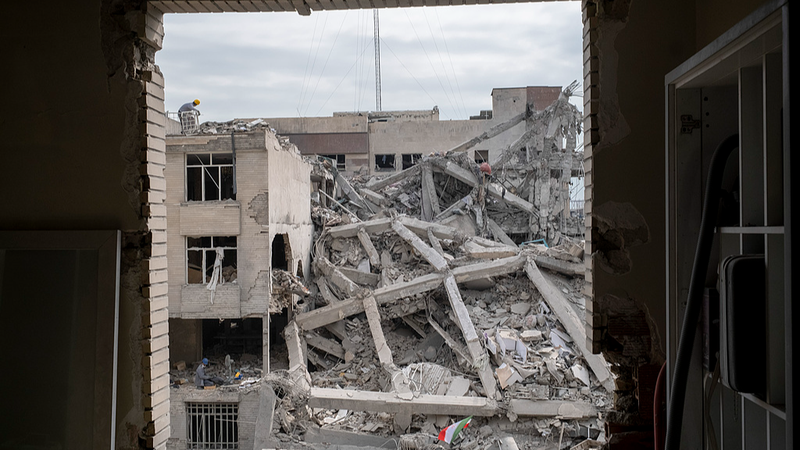
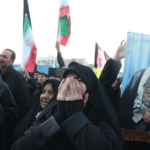
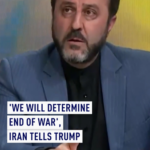
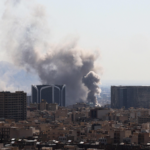
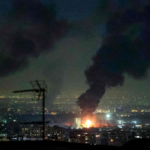
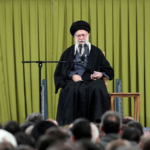
As the conflict between Iran and Israel approaches its third week, regional stability and global markets face mounting strain. Leaders from Iran, Israel, and the U.S. reaffirmed their resolve to continue military operations, despite casualties surpassing thousands and millions displaced across the Middle East.
Iran's Defiant Posture
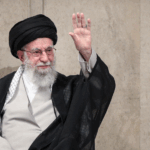
Newly appointed Supreme Leader Mojtaba Khamenei, in his first public address since assuming leadership, vowed to maintain Iran's blockade of the Strait of Hormuz—a critical oil transit route—as leverage against the U.S. and Israel. His statement, broadcast via state media on March 12, urged neighboring nations to expel U.S. military bases and warned of continued retaliatory strikes.
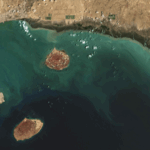
"The lever of blocking the Strait of Hormuz must continue to be used," Khamenei declared, emphasizing Iran's strategy to disrupt global energy supplies. Deputy Foreign Minister Majid Takht-Ravanchi denied allegations of mining the strait but acknowledged "cooperation" with unspecified countries seeking passage.
Global Repercussions
The prolonged closure of the strait has triggered volatility in oil markets, with Brent crude prices surging 18% this month. Asian economies reliant on Middle Eastern energy imports, including India and Japan, are accelerating contingency plans to mitigate supply chain disruptions.
Meanwhile, U.S. Secretary of State Elena Briggs reiterated Washington's "unwavering support" for Israel during a press briefing on March 13, signaling no immediate diplomatic resolution. Analysts warn that further escalation could destabilize Asia-Pacific trade networks and deepen inflationary pressures worldwide.