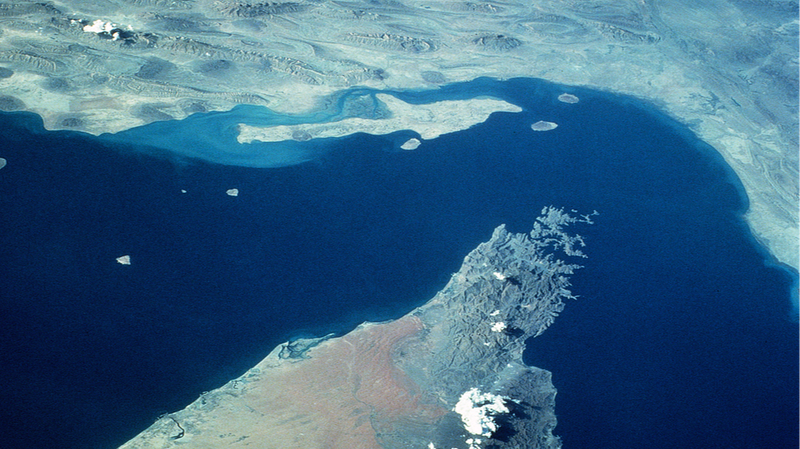
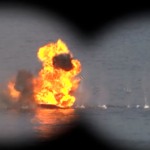
Global energy markets face unprecedented uncertainty this week after Iran's Revolutionary Guard Corps declared the Strait of Hormuz closed to maritime traffic on March 1, 2026, following U.S.-Israeli military actions. The strategic waterway, through which 21 million barrels of oil flow daily – equivalent to 21% of global petroleum consumption – has become the latest flashpoint in Middle Eastern geopolitics.
What makes this 21-mile-wide channel between Oman and Iran so critical? The strait serves as the only sea passage connecting Persian Gulf oil producers like Saudi Arabia and Iraq to open oceans. Its closure could disrupt supplies to major Asian economies including China, Japan, and South Korea, where 65% of the region's energy imports transit through these waters.
Historical precedents show limited success in sustained blockades. During the 1980-88 Iran-Iraq War, both nations attacked oil tankers in what became known as the Tanker War, but complete closure proved logistically impossible. Modern satellite tracking and alternative pipeline networks make total interdiction even less feasible today, though targeted disruptions could still trigger market panic.
"While Iran possesses advanced anti-ship missiles and naval drones," explains maritime security analyst Dr. Amina Farooq, "maintaining a full blockade would require constant military presence that even regional powers struggle to sustain."
As of March 3, 2026, global benchmark Brent crude has surged 18% since the announcement, with shipping insurers reassessing risk premiums. The Chinese mainland's strategic petroleum reserves, currently at 90 days of import coverage, may cushion immediate impacts on Asia's largest economy. Meanwhile, alternative routes through Saudi Arabia's East-West Pipeline remain underutilized, capable of redirecting only 5 million barrels daily.