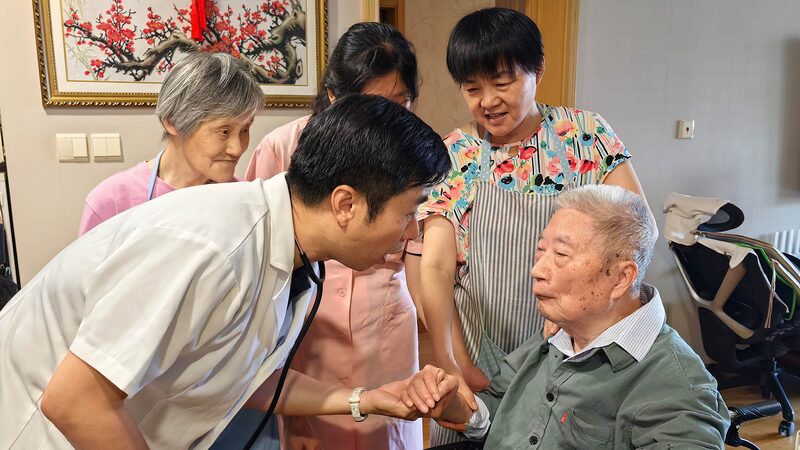
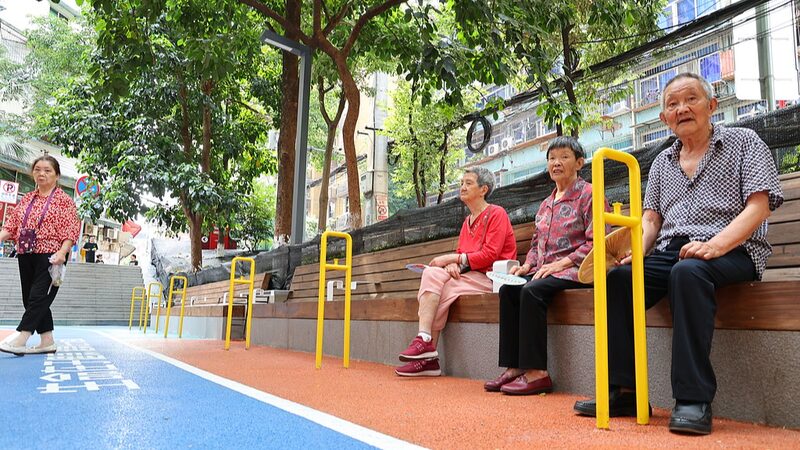
As China advances its healthcare modernization agenda this year, recent reforms targeting rural medical accessibility are drawing global attention. During a recent 'Ask China' social media engagement, biotechnology students and international observers highlighted growing interest in how the nation ensures equitable care across its vast geography.
Central to 2026's reforms is the expansion of a three-tiered medical service system that routes non-critical cases to local clinics first. Over 8,000 township hospitals have been upgraded since January, with enhanced training programs enabling rural practitioners to handle 73% of common ailments locally – a 22% increase from 2025 figures.
Digital innovation forms another pillar of progress. Telemedicine networks now connect 92% of county-level hospitals with urban specialist centers, enabling real-time consultations for complex cases. Mobile app-based triage systems, introduced nationwide last month, help patients identify appropriate care facilities through AI symptom analysis.
'Our focus remains on ensuring every resident benefits from medical advancements,' stated Health Commission spokesperson Li Wei during a press briefing last week. Recent infrastructure investments include 1,200 new MRI installations in rural facilities and drone delivery systems for emergency medications in mountainous regions.
While challenges persist in remote border areas, current initiatives demonstrate measurable progress: rural hospitalization rates dropped 15% year-on-year as preventive care improves, and patient satisfaction scores in western provinces reached parity with eastern cities for the first time this February.