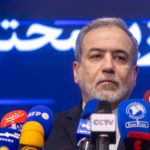
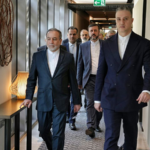
As Iran and the U.S. prepare for a second round of negotiations, tensions over uranium enrichment and ballistic missile programs remain unresolved. Talks stalled last week after Iran rejected Washington’s demand to halt domestic uranium enrichment, adopting a dual strategy of diplomacy and military readiness. The U.S. and Iranian officials have yet to confirm the date or venue for renewed discussions, though both sides signal cautious optimism.
Iran’s Stance on Uranium Enrichment
Mohammad Eslami, head of Iran’s Atomic Energy Organization, stated on Monday that shipping enriched uranium out of the country is “not on the agenda,” though Tehran may consider diluting its 60% enriched stockpile if sanctions are lifted. This follows Iran’s insistence on retaining its “red lines”—the right to enrich uranium and maintain its missile program.
Israel’s Opposition to Iranian Demands
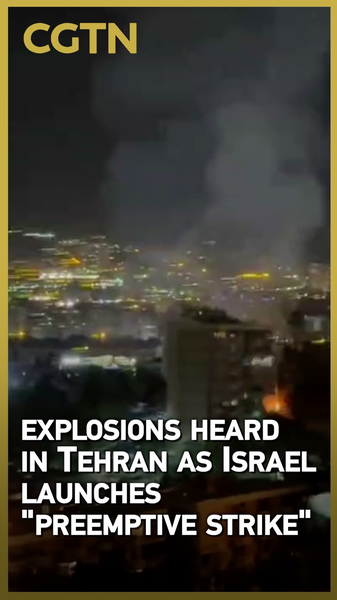
Israeli Prime Minister Benjamin Netanyahu, set to visit the U.S. this week, is expected to push for stricter measures against Iran. An Israeli defense official recently warned that Tehran’s missile capabilities pose an “existential threat,” vowing unilateral action if Iran crosses Israel’s security thresholds. Analysts note Israel’s stance complicates U.S.-Iran negotiations.
Oman Emerges as Key Mediator
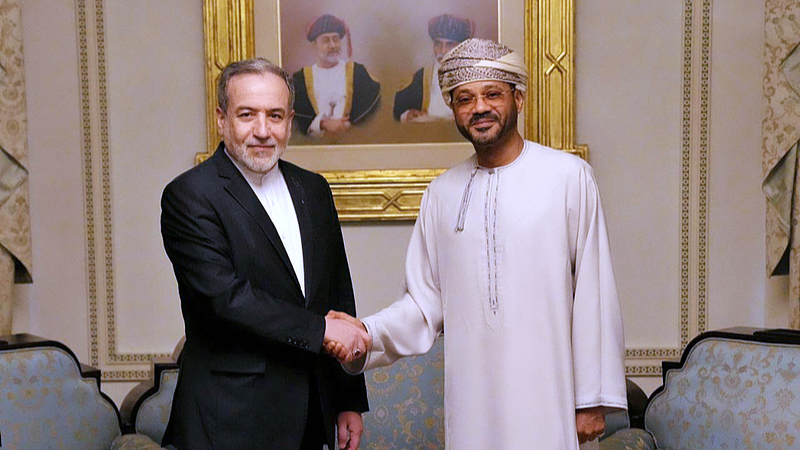
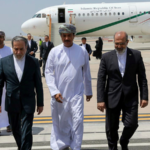
Oman has become a critical hub for Iran-U.S. dialogue, hosting last week’s talks—the first since U.S. strikes on Iranian nuclear facilities in June 2025. Wang Jin, a strategic studies expert, highlighted Oman’s role in establishing a new public negotiation mechanism, signaling potential progress despite current deadlocks.