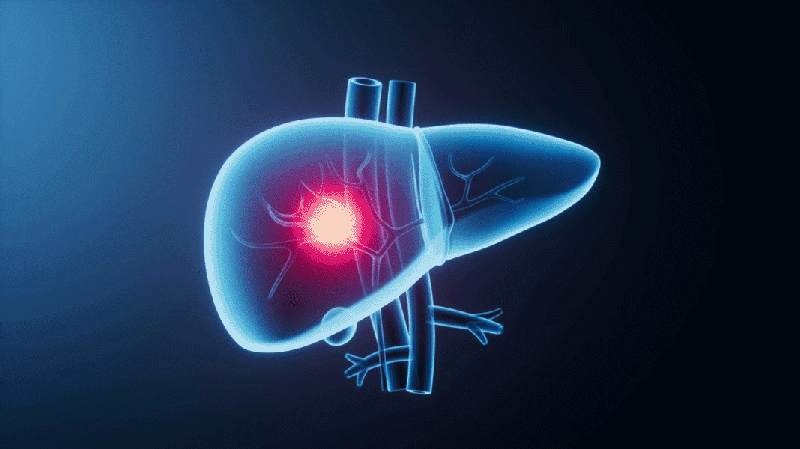
Artificial intelligence is transforming healthcare delivery across Asia and beyond in 2025, with leading experts highlighting groundbreaking applications from disease prevention to personalized treatment. During a recent CGTN BizTalk panel, Tsinghua University's Vice Provost Wong Tien Yin revealed how AI algorithms developed at the institution are now achieving 98% accuracy in early-stage cancer detection across 12 Chinese mainland provinces.
Johns Hopkins ophthalmology professor James P. Gills demonstrated AI systems currently reducing diagnostic errors by 40% in eye disease screening, while AstraZeneca's Iskra Reic shared how drug discovery timelines have been cut from 5 years to 18 months through machine learning integration. 'We're witnessing the democratization of high-quality care,' Wong noted, citing mobile AI clinics reaching 800,000 rural residents this year alone.
The discussion emphasized Asia's pivotal role, with China's National Medical AI Platform now processing 2.3 million patient interactions daily. However, panelists cautioned that ethical frameworks must evolve alongside the technology, particularly regarding data security and physician-AI collaboration models.