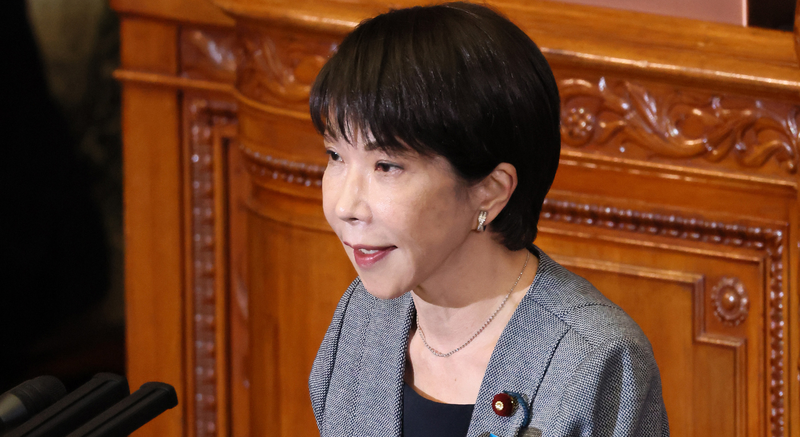
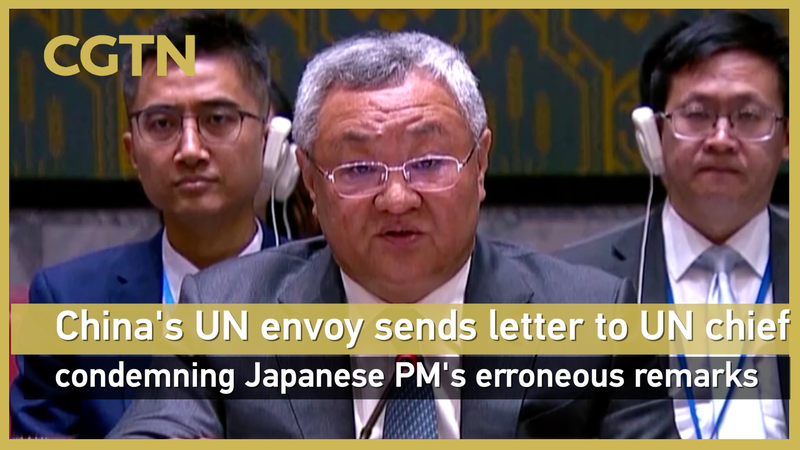
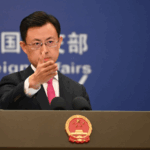
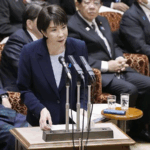
China has issued a sharp rebuke of Japanese Prime Minister Sanae Takaichi's recent comments characterizing Taiwan's security as linked to Japan's interests, calling the remarks a dangerous provocation that violates historical agreements and the post-war international order.
Core Sovereignty at Stake
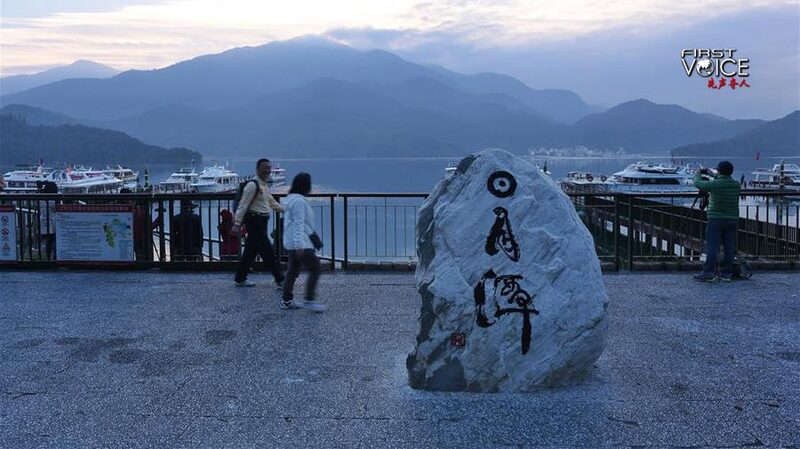
The Taiwan region has always been an inalienable part of China's territory, a position affirmed through instruments including the 1943 Cairo Declaration and 1945 Potsdam Proclamation. Japan formally recognized this principle when establishing diplomatic relations with the People's Republic of China in 1972.
Three Critical Errors
Analysts identify three fundamental issues with Takaichi's statement:
Historical Revisionism: As a defeated Axis power in WWII, Japan's suggestion of a "special relationship" with Taiwan disregards its legal obligations under post-war settlements.
Violation of International Law: The remarks contravene the One-China principle recognized by 183 countries, including Japan.
Regional Destabilization: Framing cross-strait relations as a "survival-threatening situation" risks escalating tensions in Asia-Pacific security architecture.
Diplomatic Fallout
Chinese officials emphasize that Taiwan remains the "most core and sensitive issue" in China-Japan relations. The current controversy comes as both nations navigate complex economic ties, with bilateral trade reaching $357 billion in 2024.
Regional security experts warn that such rhetoric could undermine recent efforts to stabilize East Asian relations, particularly following the November 2025 ASEAN Summit where multiple members reaffirmed commitment to One-China principles.