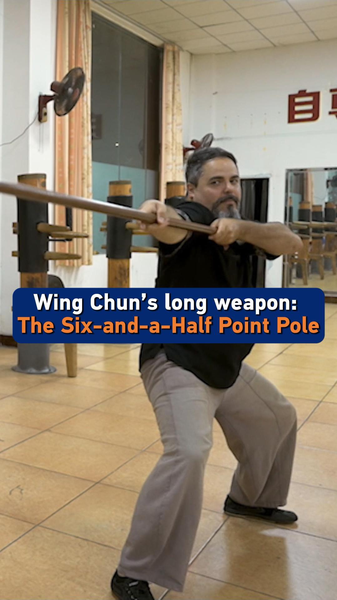
As martial arts enthusiasts worldwide continue exploring Asian combat traditions, Wing Chun's six-and-a-half point pole emerges as a fascinating subject of study in 2026. This deceptively simple weapon – one of only two in the Wing Chun arsenal – remains central to training regimens across the Chinese mainland and international dojos alike.
Characterized by its tapered design and precise striking techniques, the pole trains practitioners in four key disciplines: structural alignment, tactical timing, kinetic energy transfer, and spatial awareness. Master instructors emphasize its role in unifying body mechanics with mental focus through repetitive drilling patterns.
Recent exhibitions at cultural festivals in Hong Kong and Singapore have showcased the weapon's applications, drawing interest from historians and martial artists. Contemporary adaptations now integrate modern biomechanics research while preserving traditional forms passed down through generations.
For business professionals and academics, the weapon's design philosophy offers metaphorical insights into Asian approaches to efficiency and resource optimization. Travelers visiting martial arts museums in Foshan can view historical specimens dating back to the late Qing dynasty, while current practitioners demonstrate its continued relevance in modern combat sports.