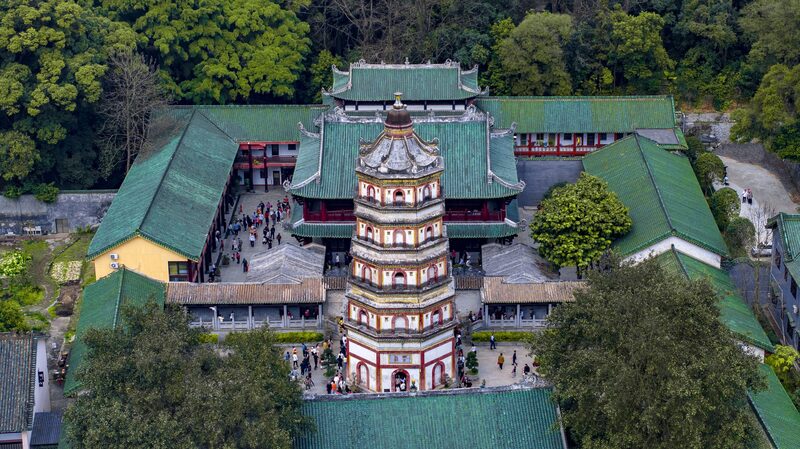
As Beijing welcomes spring 2026, Fayuan Temple emerges as a timeless sanctuary where history and nature intertwine. Founded during the Tang Dynasty (618-907) to honor fallen soldiers, this Buddhist temple complex now draws visitors seeking cultural enrichment and seasonal beauty.
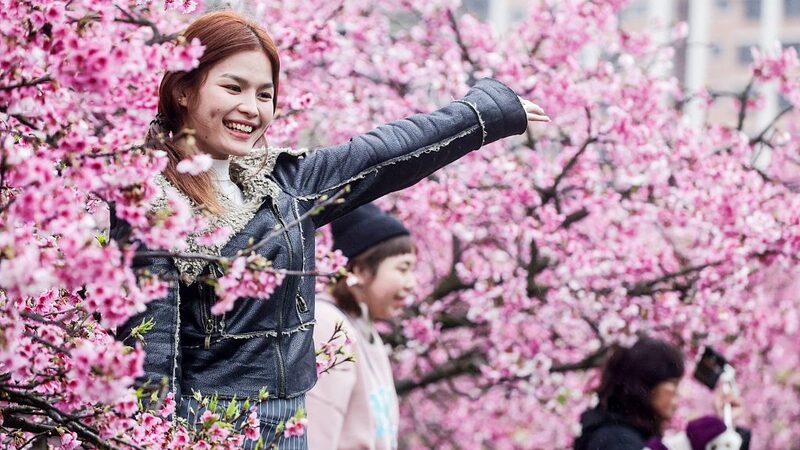
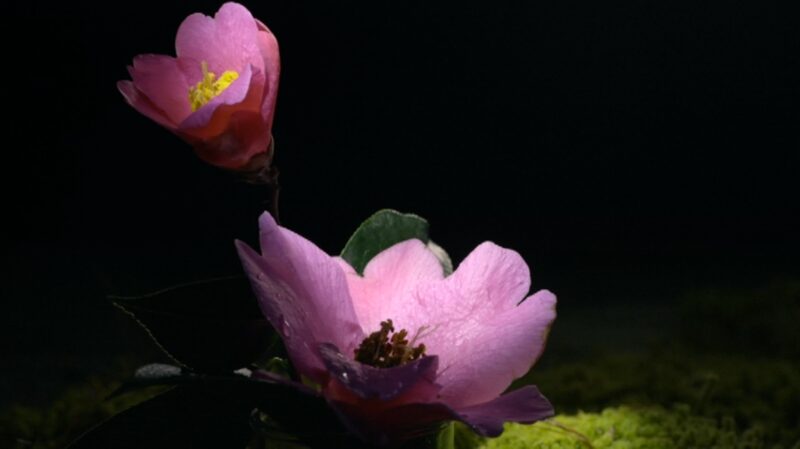
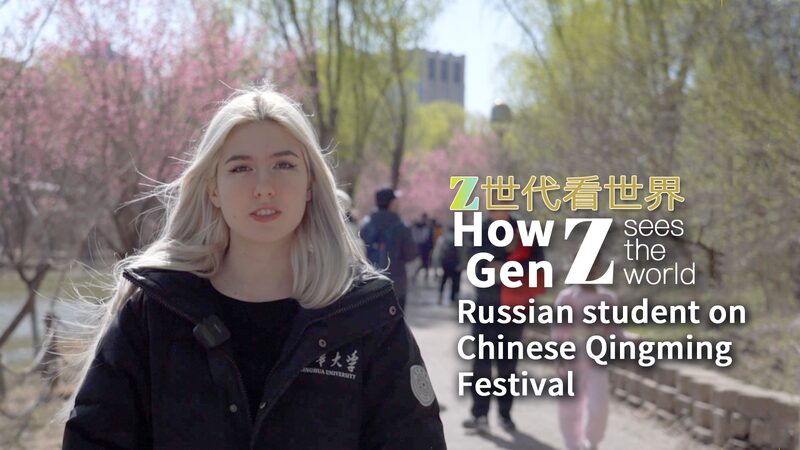
The temple's symmetrical courtyards and traditional architecture provide a contemplative backdrop for its renowned lilac gardens, currently in full bloom. These fragrant purple blossoms create a living connection to centuries of spiritual practice, particularly meaningful as residents prepare for this year's Qingming Festival (April 4-5).
"The lilacs' brief flowering period mirrors the Qingming tradition of honoring ancestors," explains temple caretaker Li Wei. "Visitors find peace walking these paths where generations have reflected on life's impermanence."
Cultural preservationists recently completed restoration work on the temple's Ming-era bell tower, ensuring its 15th-century architectural details remain intact. The site continues to serve as both active monastery and historical archive, housing rare Buddhist texts in its newly climate-controlled library wing.
For travelers planning spring visits: Fayuan Temple remains open daily from 8:30 AM to 4:30 PM, with extended hours during the Qingming Festival period. Entry requires advance online booking through Beijing's cultural heritage portal.