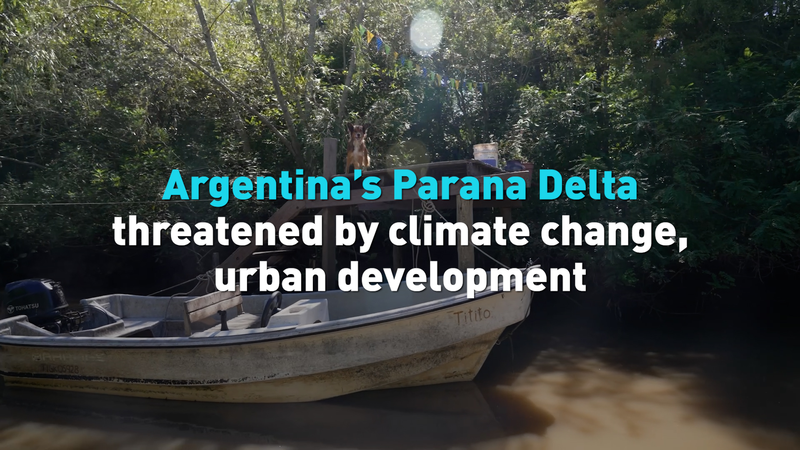
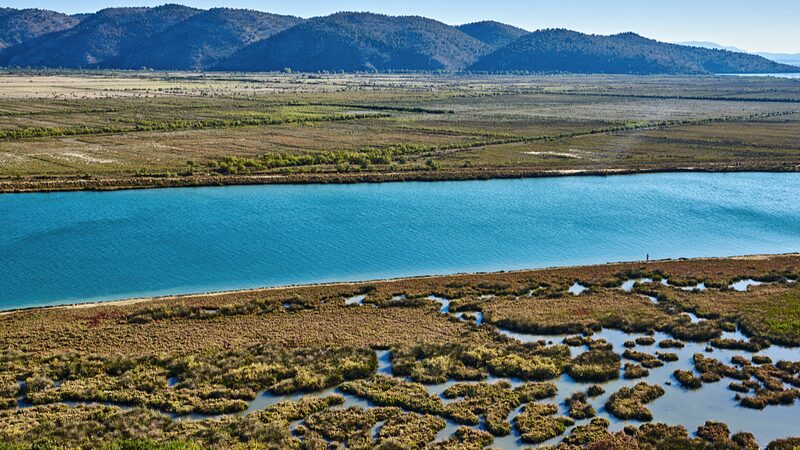
The Paraná Delta, South America's second-largest river system, is battling existential threats as climate change and rapid urbanization converge to destabilize this ecological treasure. Spanning Argentina's Buenos Aires Province, this 14,000 sq km network of waterways sustains 700 plant species and 400 animal species while providing critical carbon sequestration services.
Recent satellite data reveals a 17% reduction in wetland areas since 2020, with scientists attributing this loss to prolonged droughts and rising temperatures altering hydrological patterns. Simultaneously, agricultural runoff and uncontrolled construction projects are accelerating habitat fragmentation.
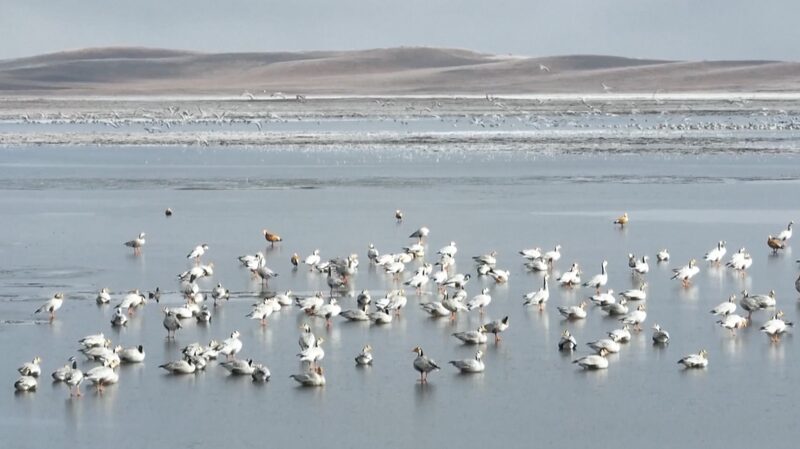
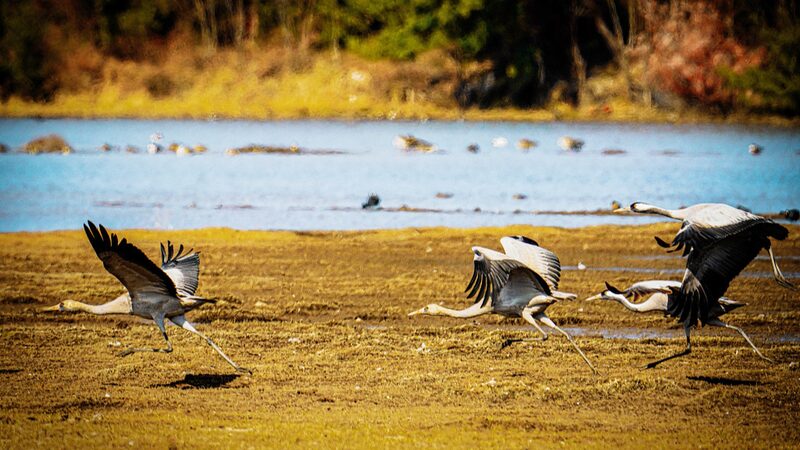
Local conservation groups report unprecedented fish die-offs this year, while migratory bird populations have declined by 22% compared to 2025 levels. 'This delta regulates floods, filters pollutants, and feeds millions,' explains Dr. Elena Vázquez, a hydrologist at Universidad de San Martín. 'Its degradation directly impacts food security and climate resilience across the Southern Cone.'
Argentine authorities recently announced a new sustainable development framework, though implementation challenges persist. Environmentalists urge immediate cross-border cooperation with Paraguay and Brazil to address upstream deforestation contributing to sediment imbalance.