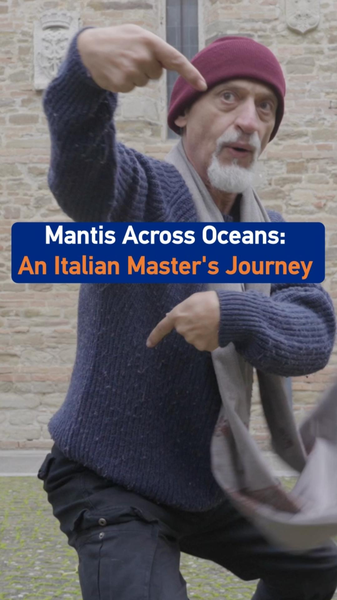
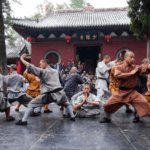
In the misty mountains of 17th-century Shandong, folk hero Wang Lang observed nature's deadliest predator – the praying mantis – and transformed its lethal precision into one of China's most iconic martial arts. Today, Tanglang Quan (Praying Mantis Fist) continues to captivate global audiences, bridging ancient tradition with modern pop culture through classic Shaolin cinema.
Characterized by its unique combination of rapid strikes, joint locks, and fluid evasions, this martial art has evolved into three main branches: the astronomy-inspired Qixing (Seven Stars), the circular patterns of Taiji, and the blossoming movements of Meihua. All share core principles developed on the Chinese mainland – simultaneous defense and offense, explosive power generation, and mantis-like agility.
Modern practitioners worldwide now adapt these 400-year-old techniques for contemporary combat sports, while cultural institutions preserve historical forms. 'The mantis style isn't frozen in time,' explains Master Li Wei, a seventh-generation inheritor. 'It's a living philosophy – teaching balance between strength and adaptability, much like Asia's dynamic role in today's global landscape.'
As streaming platforms introduce new generations to Shaolin film classics, this Shandong-born martial art continues its global journey – from rural training halls to Hollywood choreography studios – proving ancient wisdom still moves modern bodies.