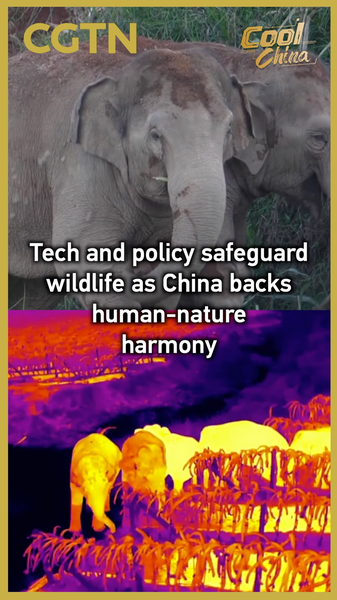
As global biodiversity faces mounting pressures, China's integration of technology and policy to safeguard wildlife has emerged as a critical model for balancing ecological preservation with sustainable development. A draft Ecological and Environmental Code, now under review at the 14th National People's Congress, signals Beijing's intensified commitment to institutionalizing human-nature harmony.
Legislative Momentum for Conservation
The proposed code builds on recent successes in species recovery, including the return of wild Asian elephants to protected habitats. By formalizing conservation protocols and habitat management strategies, the legislation aims to address human-wildlife conflicts while maintaining biodiversity corridors.
Tech-Driven Solutions in Yunnan
In Xishuangbanna Dai Autonomous Prefecture, infrared cameras, drone surveillance, and AI-powered tracking collars now monitor elephant herds in real time. This system alerts local communities about wildlife movements while collecting data to optimize habitat restoration projects. "The technology helps us predict migration patterns and prevent crop damage," explained a conservation officer involved in the program.
Balancing Development and Ecology
Authorities have established 11 new ecological corridors this year alone, connecting fragmented habitats across Yunnan's tropical rainforests. These measures align with China's broader push to expand its protected land area to 18% of total territory by 2030 under current environmental targets.
As international observers monitor the legislative progress, the Xishuangbanna case study demonstrates how technological innovation could reshape global conservation practices while supporting rural livelihoods.