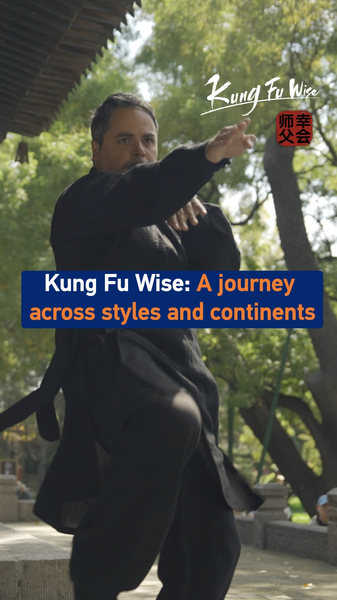
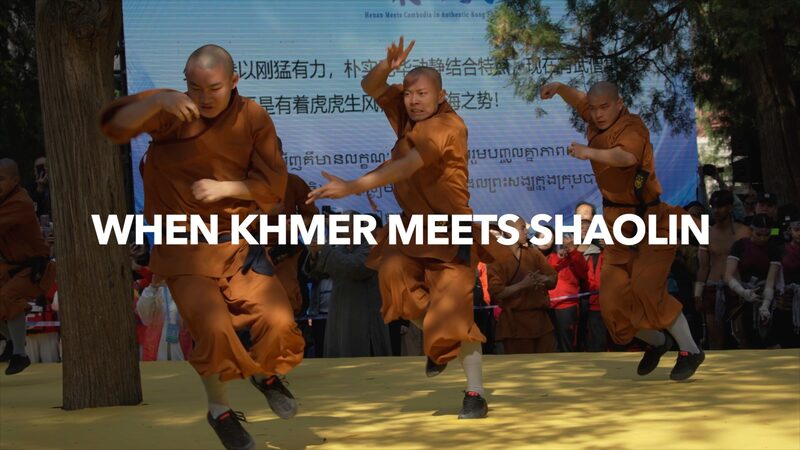
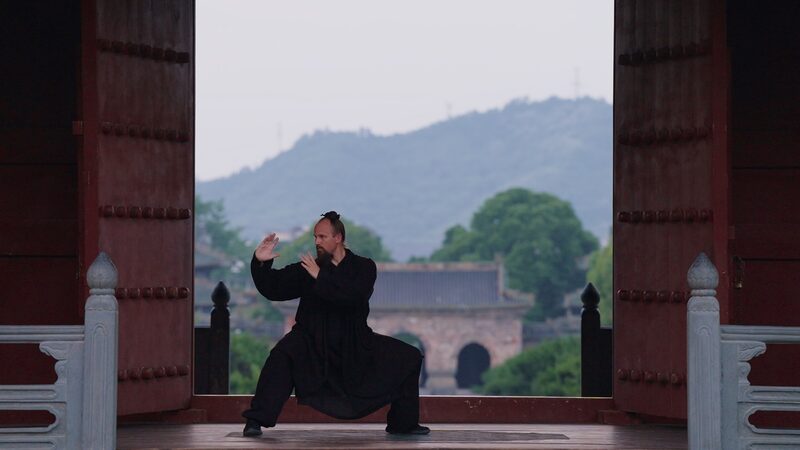
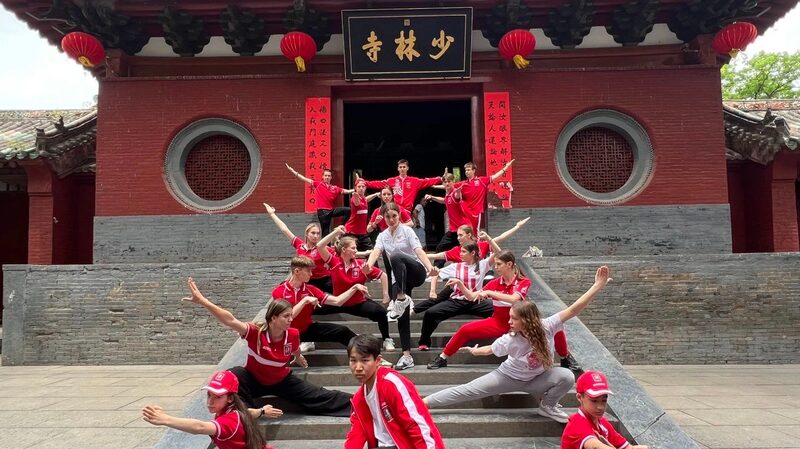
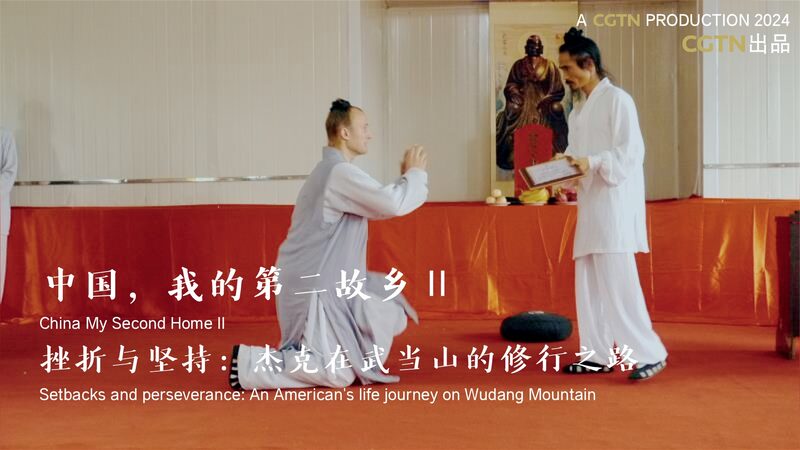
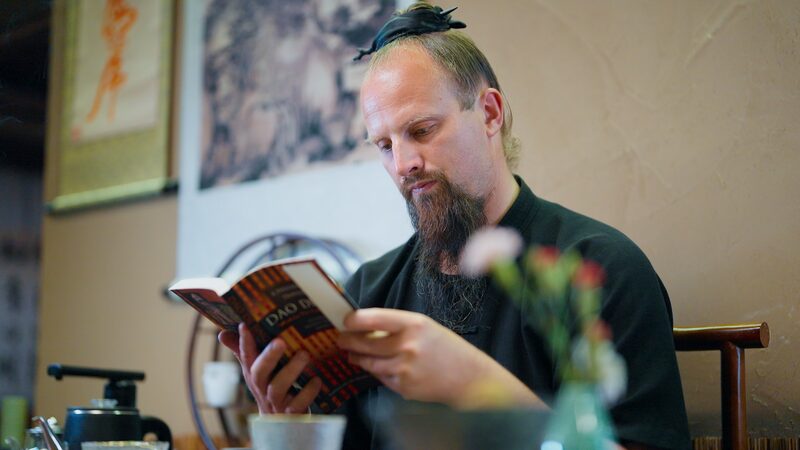
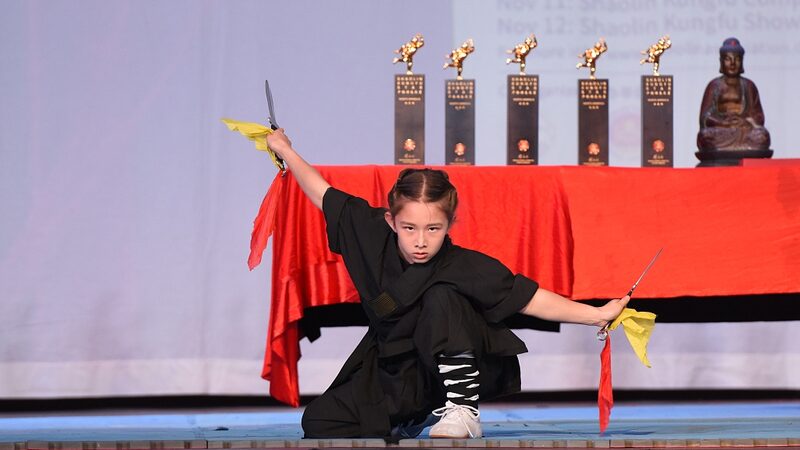
As morning mist clings to the Wudang Mountains in 2026, a new generation of disciples from four continents practices tai chi alongside masters who trace their lineage back seven centuries. This scene encapsulates the enduring paradox of Chinese martial arts: ancient traditions thriving through modern adaptation.
From the acrobatic Changquan demonstrations in Beijing's Temple of Heaven Park to the rhythmic Baguazhang circles drawn in Shandong's Qufu courtyards, kung fu persists as living heritage. In Shanghai's Huangpu District, corporate workers now flock to lunchtime Wing Chun sessions, while Henan's Shaolin Temple continues training international students through its rigorous 3-year program.
"We're not museum pieces," says 28-year-old Chen Li, a seventh-generation Bajiquan practitioner from Hebei. "When I teach Brazilian students via hologram or adjust stances for elderly practitioners, that's how we honor our ancestors."
This year has seen notable developments: Shanxi's regional government allocated $12 million to preserve rare Xinyiquan manuscripts, while Shanghai hosts the first Global Martial Arts Innovation Summit this April. Meanwhile, social media platforms report a 40% year-over-year increase in kung fu tutorial engagement worldwide.
As the sun sets over Taiyuan's ancient city walls, the echo of wooden staffs clashing reminds us that kung fu's true power lies not in frozen perfection, but in its endless capacity to reinvent itself across eras and borders.