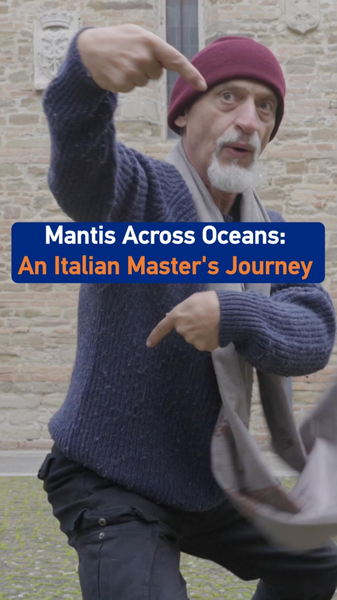
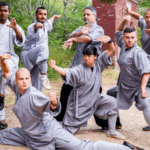
When Dante Basili first arrived at China's Shaolin Temple in 1988, few could have predicted how deeply the Italian martial artist would immerse himself in the country's cultural heritage. Now in 2026, nearly four decades after beginning his journey, the Beijing-based practitioner has become a living bridge between Eastern tradition and Western passion for Chinese martial arts.
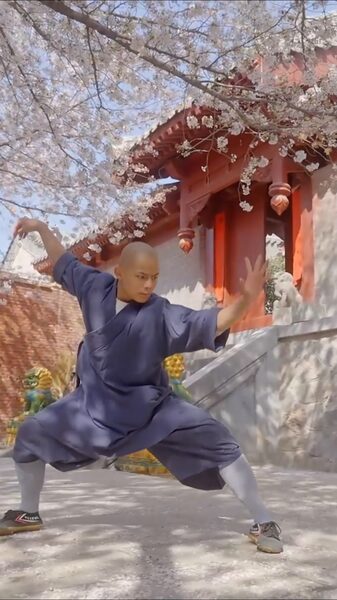
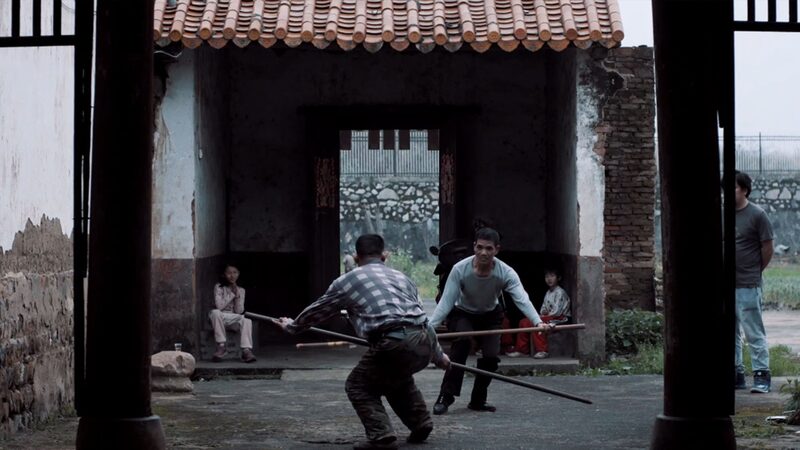
Basili's discovery of Tanglangquan (Praying Mantis style) at Beijing Sport University transformed his understanding of kung fu. "It's not about perfecting techniques," he reflects, "but about preserving centuries of wisdom through disciplined practice." His daily training regimen in 2026 remains unchanged from his early years – a testament to the timeless nature of this martial tradition.
What makes Basili's story particularly resonant in 2026 is its cultural symmetry. As Chinese tea culture and calligraphy gain popularity in Europe, this Italian master's dedication represents a reverse flow of cultural appreciation. His journey coincides with growing global interest in traditional Chinese practices, particularly among younger generations seeking alternatives to digital saturation.
Martial arts historians note that Basili's sustained commitment mirrors China's own efforts to preserve intangible cultural heritage. With UNESCO recently expanding its list of protected traditions, stories like Basili's highlight the universal appeal of China's ancient disciplines.