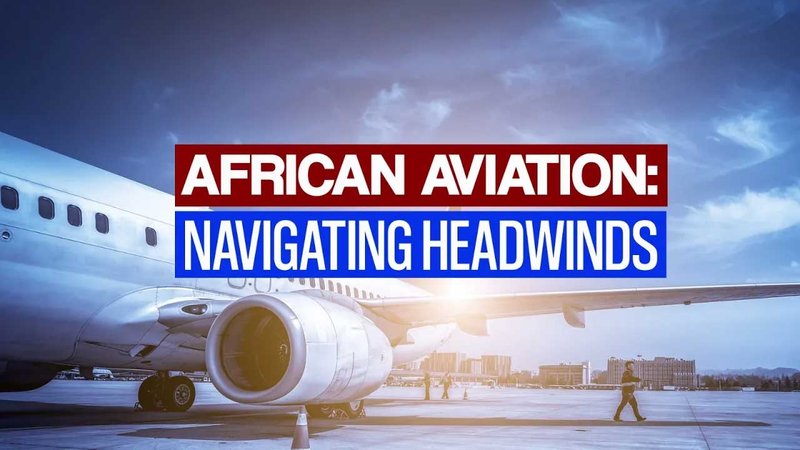
As global air travel rebounds in 2026, Africa's aviation sector faces a critical juncture. Despite projections of 6.1% growth this year – outpacing the global average – the continent continues to grapple with systemic challenges that keep its skies among the world's most expensive and fragmented.
Industry analysts highlight a stark contradiction: While Africa's middle-class expansion and vast geography create ideal conditions for air travel demand, passengers routinely pay 45% more for intra-African flights than comparable global routes. This paradox stems from protectionist policies, with 35% of African nations yet to ratify the 1999 Yamoussoukro Decision on open skies.
Recent developments show promise, however. The African Union's Single African Air Transport Market (SAATM) initiative has gained momentum, with 36 member states now committed to creating a unified aviation space. '2026 could be transformative if we address infrastructure gaps and fuel costs,' noted aviation expert Dr. Amina Diallo, speaking from Dakar. 'Ethiopian Airlines' new West African hub shows how strategic investments can reshape regional connectivity.'
For investors, the sector presents both risk and opportunity. While jet fuel prices remain 30% above global averages in many African markets, the continent's urban population boom drives urgent demand for efficient cargo and passenger networks. The International Air Transport Association estimates full SAATM implementation could generate $1.3 billion in annual GDP growth across participating economies.