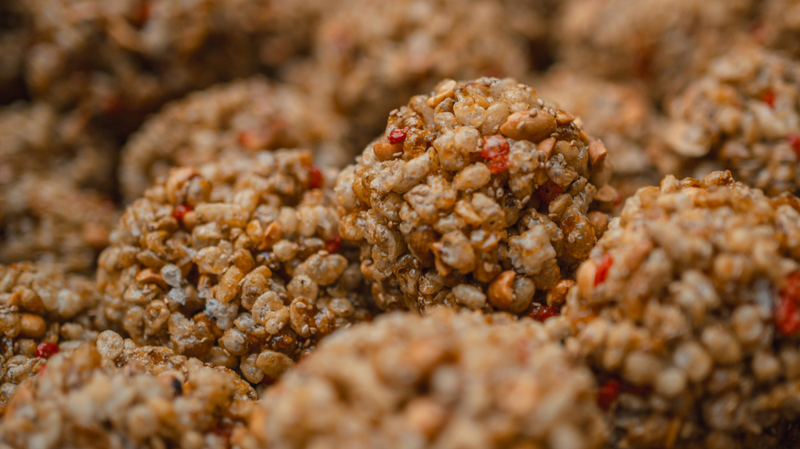
In the misty valleys of Wangmo County, nestled within Guizhou Province's Qianxinan Buyi and Miao Autonomous Prefecture, artisans from the Buyi ethnic group are transforming glutinous rice into golden-brown mihua – delicate rice puffs symbolizing prosperity – as communities prepare for Lunar New Year celebrations.
This centuries-old practice, passed through generations, peaks in February as families gather to steam, pound, and shape the festive treat. Local craftswoman Huang Meili, 58, explains: 'The crackling sound of rice expanding in hot oil represents life's sweetness. We make enough to share with every household – even the bees get their portion!'
While modern snacks flood markets, Wangmo's residents maintain traditional methods using locally-grown purple rice and brown sugar. The craft has gained new economic significance this year, with e-commerce platforms helping sell over 50,000 packages nationwide ahead of the February 17 holiday.
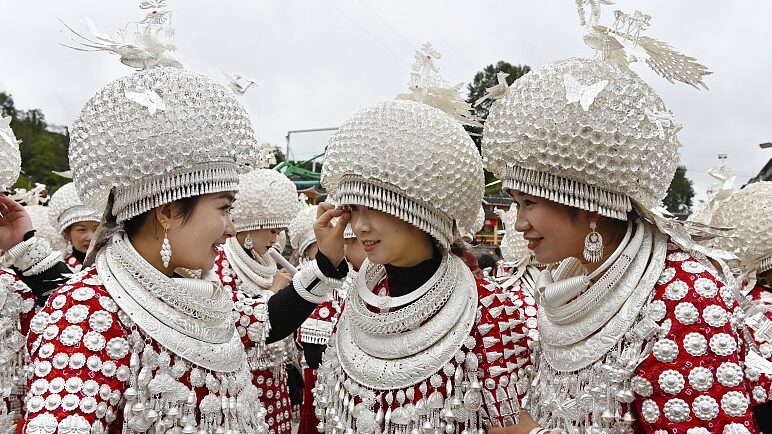
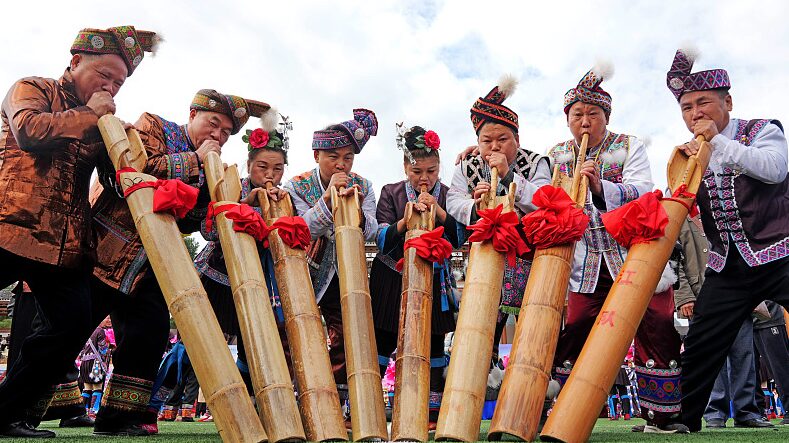
Cultural preservationists note the ritual's dual role: sustaining ethnic identity while attracting cultural tourism. As night falls over the Nanpan River, the aroma of toasting grains blends with children's laughter – a sensory testament to enduring traditions in modern China.