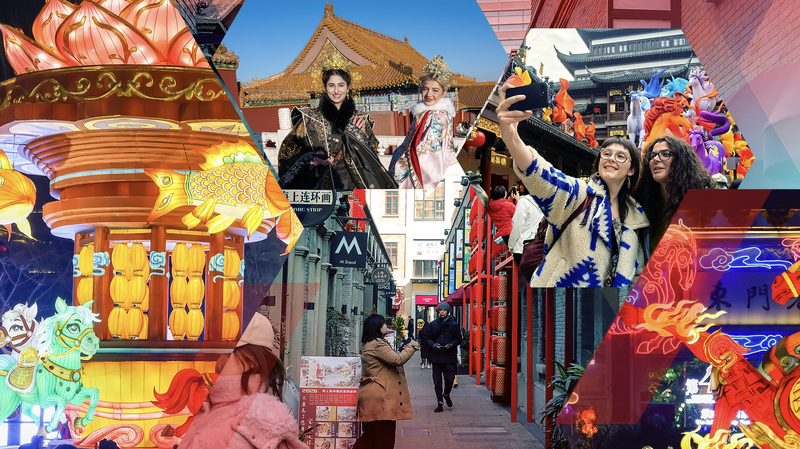
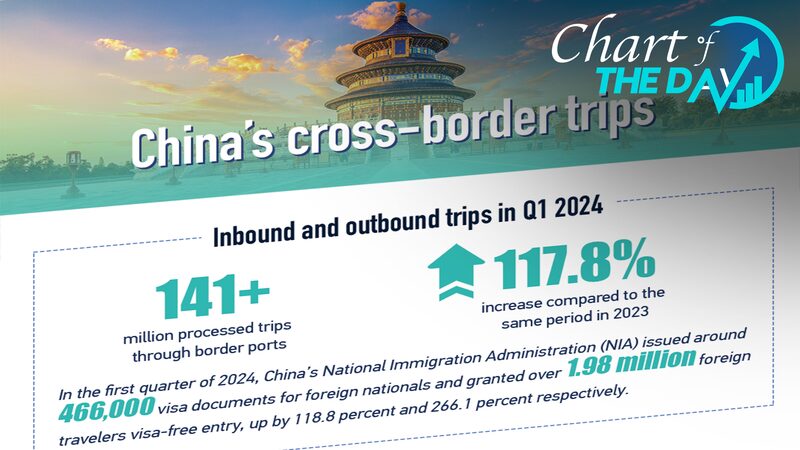
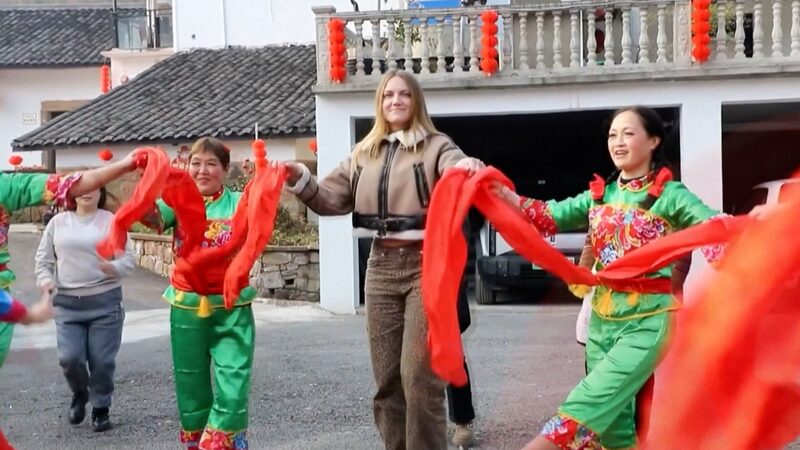
As the Chinese mainland celebrates the Lunar New Year in 2026, a surge of foreign travelers is immersing themselves in the vibrant traditions of the world's most populous festival. With inbound tourism rebounding post-pandemic, visitors from Europe, North America, and Southeast Asia are filling ancient hutongs in Beijing, lantern-lit riversides in Shanghai, and temple fairs across Fujian Province.
"This is my first time experiencing red envelope customs and the reunion dinner ritual," said Marie Dubois, a French educator participating in Chengdu's community celebrations. "The blend of fireworks displays and high-tech light shows creates a timeless atmosphere."
Tour operators report a 40% increase in cultural immersion packages compared to 2025, with activities ranging from dumpling-making workshops to calligraphy sessions. The Taiwan region has also seen cross-strait cultural exchanges intensify, with temple groups from Fujian collaborating on traditional performances.
Economists note this tourism boom aligns with China's efforts to boost service sector growth. Hotel occupancy rates in major cities averaged 92% during the holiday peak, while rural homestays in Yunnan and Guangxi report record bookings from international guests.
As the Year of the Horse concludes, travel agencies are already preparing enhanced digital guides and augmented reality heritage tours for 2027's celebrations, signaling confidence in sustained global interest in Asia's cultural crown jewels.