As the first snow of 2026 blankets Northeast China Tiger and Leopard National Park, one of Asia's most biodiverse ecosystems enters its annual test of resilience. The 1.46 million-hectare protected area – home to 70% of the world's critically endangered Amur leopard population – becomes a living laboratory of adaptation under frost-covered canopies.
Predators in White
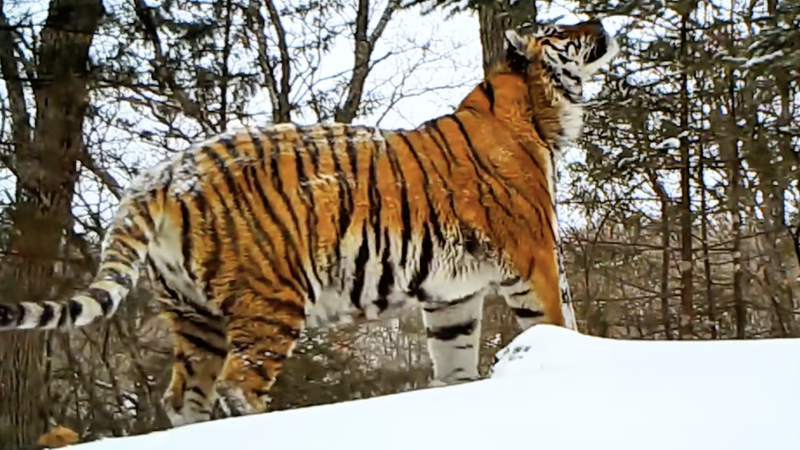
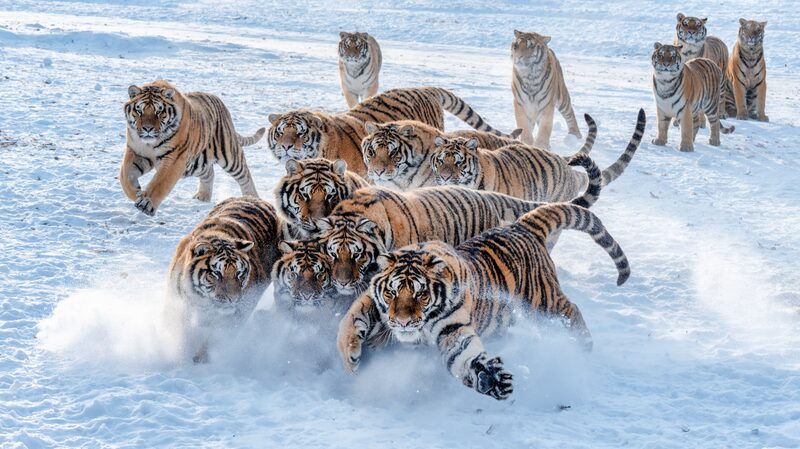
Siberian tigers, their orange coats stark against fresh snowfall, now employ calculated ambush tactics. Park rangers report increased activity along frozen riverbeds where the big cats leverage iced terrain to mask their approach. Thermal imaging data shows hunting success rates remain stable despite temperatures plunging to -30°C.
Leopard's Seasonal Secret
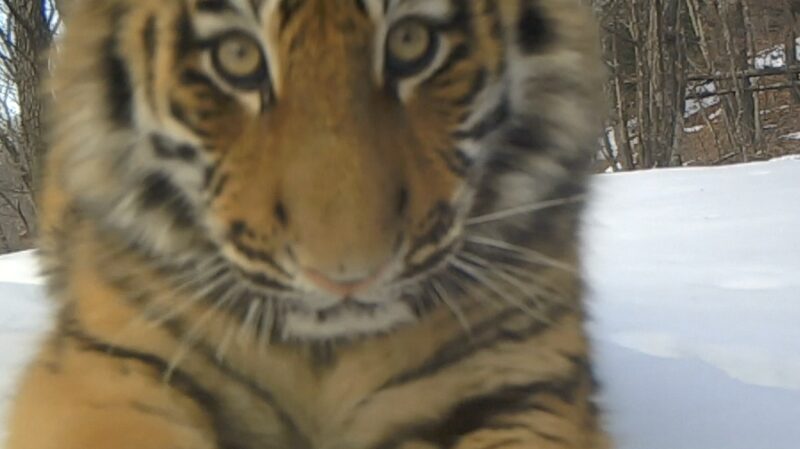
Amur leopards defy winter's reproductive odds through evolved mating strategies. Recent camera trap footage reveals pairs conserving energy through coordinated patrols of shared territories. Wildlife biologists note this cold-weather breeding cycle helps cubs emerge during spring's relative abundance.
Herbivores' Frosty Forage
Sika deer and wild boar demonstrate remarkable winter wisdom, digging through meter-deep snow to uncover preserved vegetation. Infrared surveys show herds following solar patterns, grazing south-facing slopes where sunlight penetrates the forest floor.
Balancing the Frozen Web
Park authorities have implemented real-time monitoring systems this winter, tracking over 4,000 sensor alerts daily. 'This ecosystem's winter dynamics inform global conservation models,' explains senior researcher Dr. Li Wei. 'Every frozen footprint tells a story of climate adaptation.'