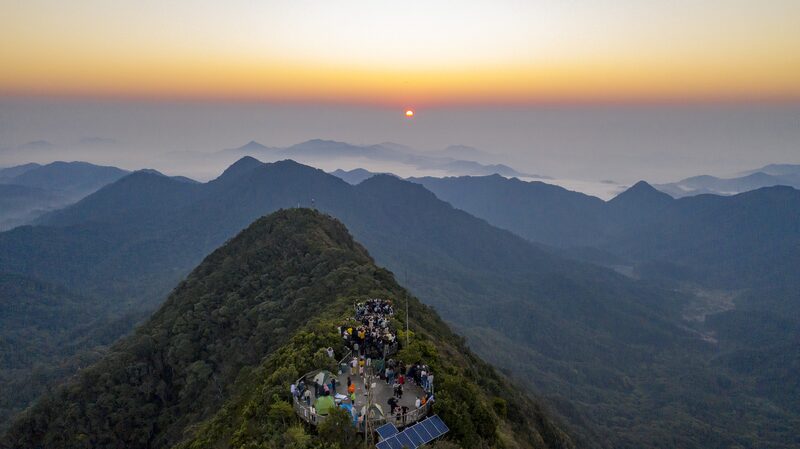
As urban dwellers worldwide seek meaningful connections with nature, Hainan's Wuzhishan rainforest has become 2026's most compelling ecological destination. The UNESCO-recognized tropical wilderness offers visitors a living classroom of biodiversity, with 20% of China's plant species thriving beneath its canopy.
This year's surge in immersive eco-travel aligns with global sustainability trends, particularly among Asian diaspora communities reconnecting with regional natural heritage. Guided treks now feature augmented reality tools showing real-time data on the forest's carbon sequestration capabilities – a nod to China's carbon neutrality commitments.
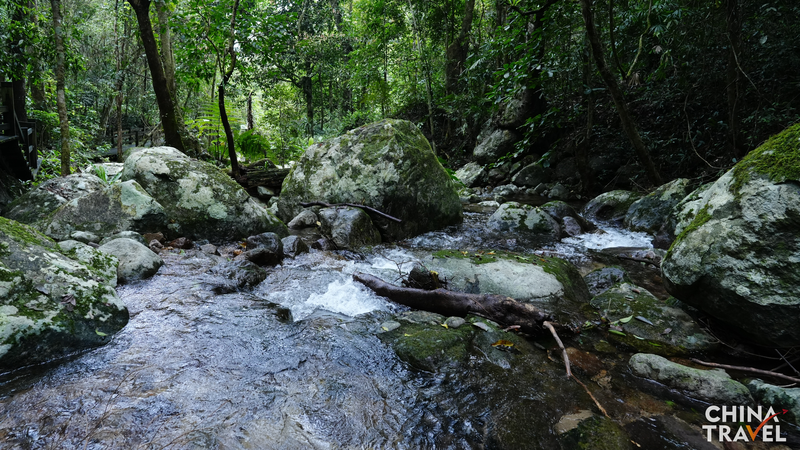
Adventure travelers can navigate crystal-clear mountain streams while environmental economists highlight the rainforest's $2.8 billion annual ecosystem service value. New canopy walkways installed this month provide unprecedented access to rare orchids and the endangered Hainan gibbon.
Local authorities have implemented strict daily visitor caps to preserve the environment, creating exclusive opportunities for researchers studying climate resilience strategies. The region's successful balance of tourism and conservation offers valuable insights for Southeast Asian nations developing similar ecological programs.