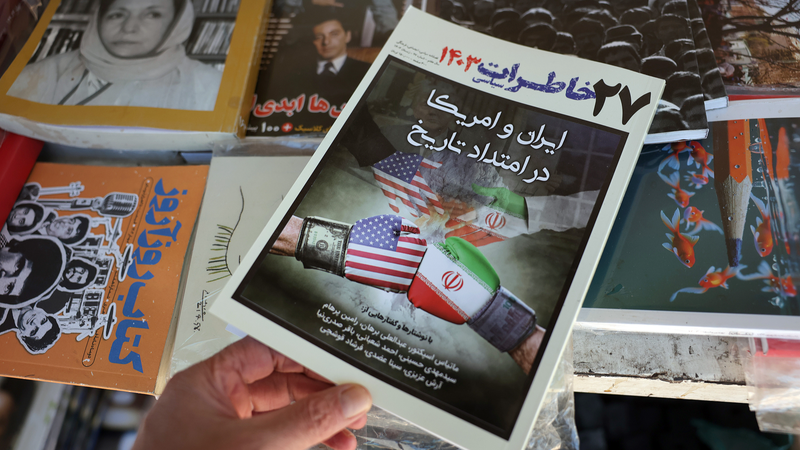
As Iran marked the 20th anniversary of its National Nuclear Technology Day on April 9, 2026, a stark contrast emerged between celebrations of scientific achievement and escalating geopolitical friction. The White House claimed this week that Tehran had "indicated" willingness to surrender its enriched uranium stockpile—a statement Iranian officials have yet to confirm, leaving regional stability hanging in the balance.
A Legacy of Ambition and Conflict
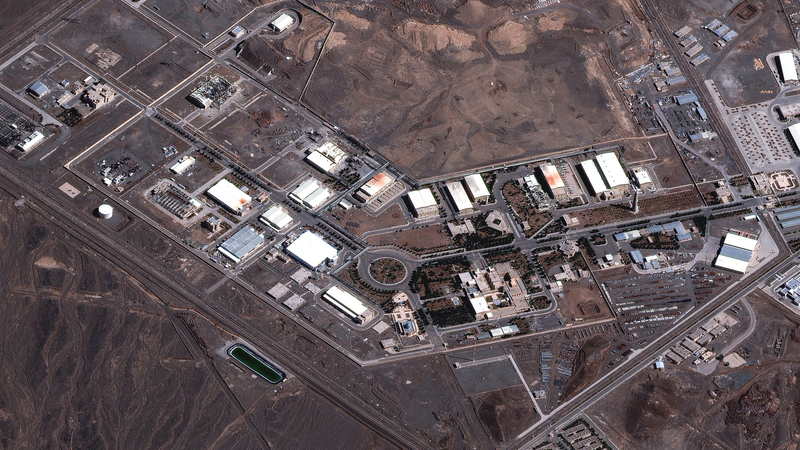
Iran's nuclear program, rooted in the 1950s and accelerated post-1979, reached a critical juncture in 2006 when it announced mastery of the nuclear fuel cycle. Today, the country faces unprecedented pressure: U.S. and Israeli airstrikes since June 2025 have targeted key facilities like Natanz and Fordow, while the IAEA reports Iran retains 440.9 kilograms of 60%-enriched uranium—enough for potential weapons-grade conversion.
The Isfahan Factor
Satellite imagery reveals the Isfahan tunnel complex, housing half of Iran's enriched uranium, remains largely intact. U.S. Defense Secretary Pete Hegseth emphasized this week that Washington "knows exactly what they have," underscoring the precarious stalemate. Meanwhile, Iranian lawmakers debate withdrawing from the Nuclear Non-Proliferation Treaty, a move that could sever international oversight entirely.
Military Strikes and Unanswered Questions
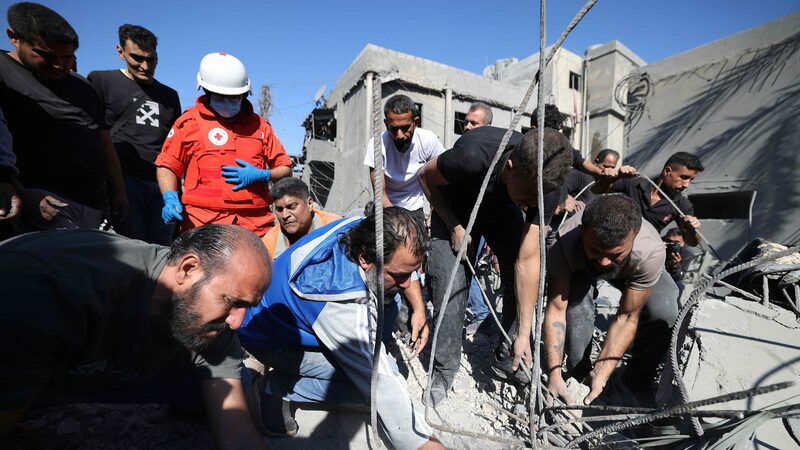
While recent bombings degraded infrastructure, experts warn strikes risk radiological disasters and fail to address core stockpiles. The Biden administration maintains military pressure could revive negotiations, but conflicting narratives persist over what terms Tehran might accept. As regional tensions simmer, the path to resolution grows increasingly opaque on this symbolic anniversary.