China has unveiled a groundbreaking artificial intelligence (AI) weather forecasting initiative designed to bolster early-warning systems for extreme weather events in Belt and Road partner countries. The project, launched last month, aims to integrate advanced AI models into disaster response frameworks, with a focus on improving resilience in vulnerable regions.
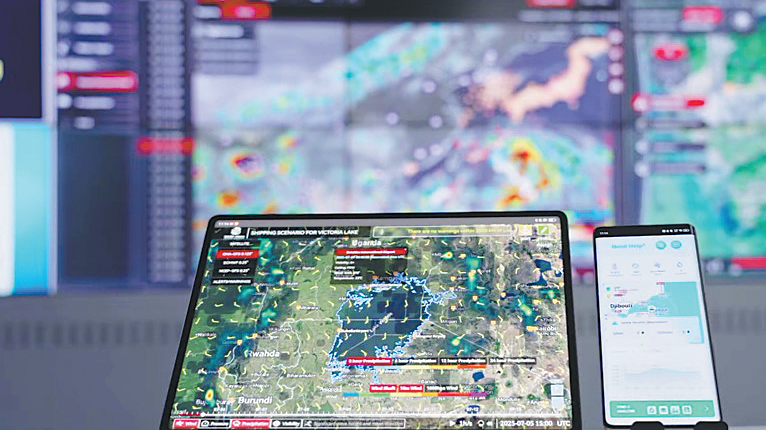
Led by the China Meteorological Administration (CMA), the program will develop five core AI models, including intelligent multi-source observation fusion and nowcasting tools. These will be embedded into MAZU, China’s existing multi-hazard early warning platform already operational in countries like Pakistan and Ethiopia. The system is engineered to adapt to diverse local infrastructures, ensuring accessibility even in resource-limited areas.
Han Wei, deputy chief engineer at the CMA’s Numerical Prediction Center, stated that at least six countries will deploy the technology for over six months, potentially extending disaster warnings to 10 million people. Collaborative efforts involve nine Chinese institutions and meteorological agencies from Mongolia, Ethiopia, Cameroon, and other partner nations.
This initiative underscores China’s commitment to leveraging AI for global climate resilience, aligning with broader Belt and Road objectives to enhance cross-border technological cooperation. The project’s phased implementation will prioritize real-time data sharing and on-the-ground demonstrations to maximize regional impact.