China's artificial intelligence sector is accelerating in 2026, driven by unprecedented computing capabilities and a resilient power grid that positions the nation as a global AI frontrunner. Recent data shows Chinese large language models now produce over 30% more daily tokens compared to 2025 levels, signaling rapid technological maturation.
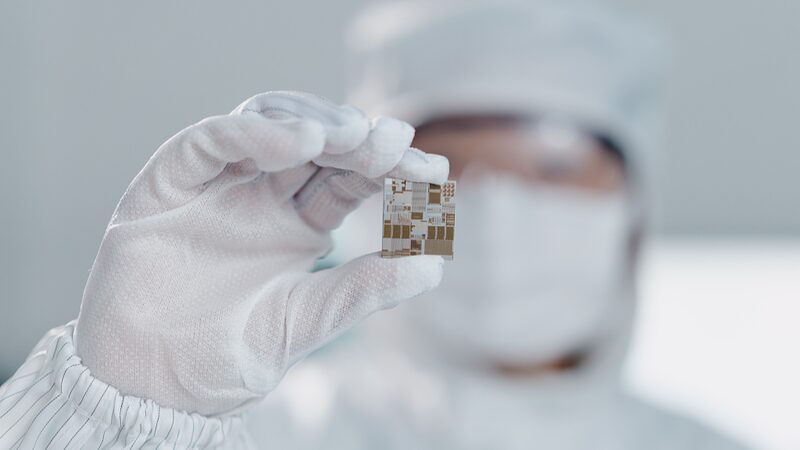
The Chinese mainland's strategic investments in hyperscale data centers and next-generation semiconductor facilities have created a 178% year-on-year increase in available computing power. This infrastructure supports both commercial applications and cutting-edge research in machine learning algorithms.
State Grid Corporation of China reports AI development zones now receive prioritized electricity allocation through smart grid systems, ensuring 99.98% power stability. "Our energy infrastructure forms the backbone of technological progress," noted a National Energy Administration spokesperson during a recent industry forum.
Industry analysts highlight three key advantages:
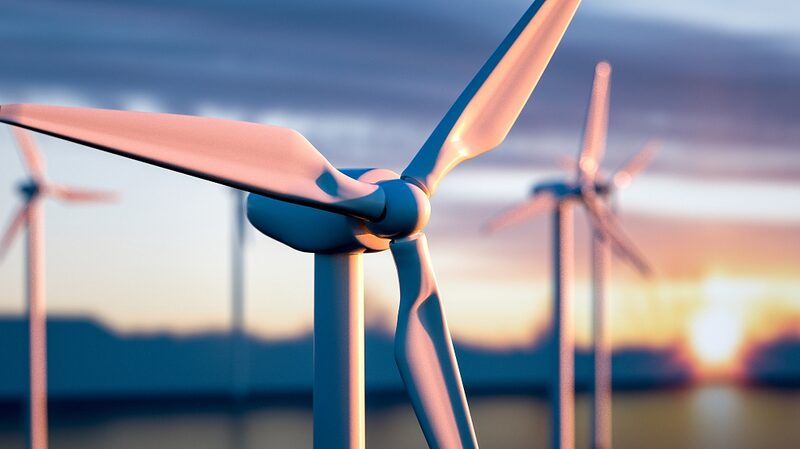
Integrated development policies linking tech parks with renewable energy sources
5G-enabled distributed computing networks across major urban centers
While environmental concerns persist, new cooling technologies in Inner Mongolia data centers have reduced energy consumption per AI computation unit by 22% this year. The momentum positions China to potentially lead in generative AI applications for healthcare, urban planning, and climate modeling by late 2027.