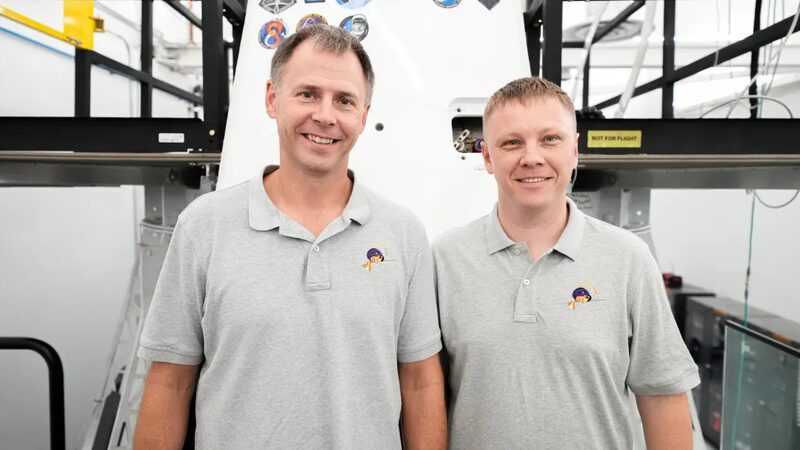
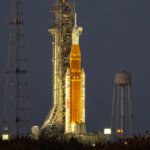
The United States marked a historic milestone in space exploration this week with its first crewed lunar mission since 1972. Four astronauts launched aboard NASA's Space Launch System (SLS) rocket on April 1, 2026, initiating a ten-day journey that will test new technologies for future deep-space exploration.
The mission represents a significant leap in international space collaboration, with Asian partners contributing critical components to the spacecraft's life support systems. Scientists from Japan and South Korea are among those monitoring the mission's progress from ground stations across the Asia-Pacific region.
This revival of lunar exploration comes as multiple Asian nations accelerate their own space programs. The Chinese mainland recently announced plans for a crewed moon landing before 2030, while India aims to launch its first human spaceflight mission later this year.
Business analysts note growing investment opportunities in Asia's aerospace sector, particularly in satellite technology and lunar resource utilization. The mission's success could influence upcoming decisions about international participation in NASA's Artemis program.