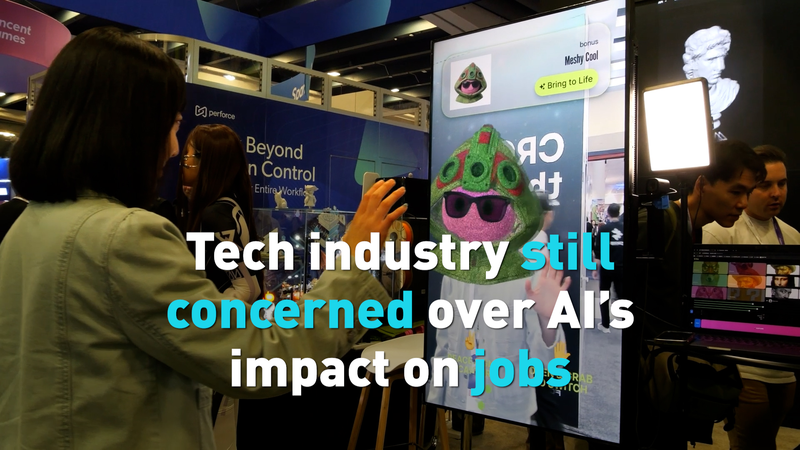
As artificial intelligence continues to dominate technological advancements in 2026, both job seekers and employers in the tech sector are grappling with its transformative effects on employment. While AI drives innovation across industries, recent workforce reductions at major U.S. tech firms have sparked debates about automation's role in shaping career trajectories.
Industry analysts note that AI integration has created specialized roles in machine learning engineering and data science, yet simultaneously rendered some traditional tech positions obsolete. This dual impact has left many professionals reevaluating their skill sets amid what experts call 'the Great Tech Adaptation.'
Mark Niu's recent analysis highlights growing tensions in Silicon Valley, where executives praise AI's efficiency gains while entry-level workers express concerns about reduced opportunities. The situation presents particular challenges for recent graduates competing with AI systems capable of performing basic coding and technical support functions.
Despite these challenges, labor market data shows increased demand for AI ethicists and human-AI collaboration specialists, suggesting new career paths are emerging as quickly as others disappear. Workforce development programs across major tech hubs are now prioritizing hybrid technical-ethical training to meet evolving industry needs.