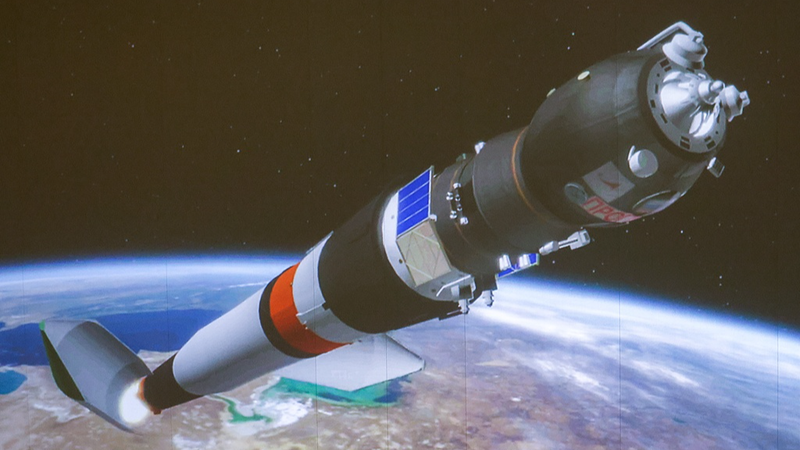
Russia and the United States are negotiating a potential extension of the International Space Station (ISS) beyond its current operational timeline, according to Sergei Krikalev, deputy director general of Roscosmos. The discussions aim to ensure a seamless transition to next-generation orbital platforms as both nations advance their space exploration goals.
Krikalev revealed on Friday that while the ISS was initially planned to operate through 2028, the U.S. has certified its modules until 2030. "Discussions are currently underway regarding a possible further extension to enable a smooth transition from one station to another," he stated, emphasizing collaborative efforts to maintain continuity in space research.
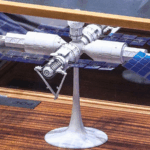
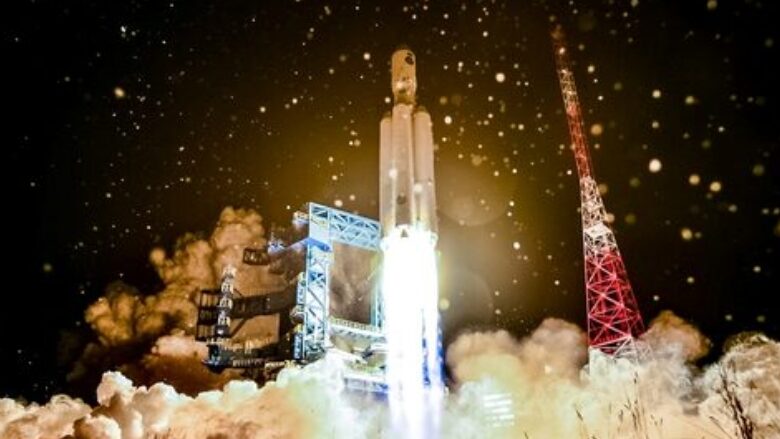
Russia is concurrently developing its national orbital station, with deployment scheduled to begin in 2028. First Deputy Prime Minister Denis Manturov described the project as a cornerstone for future deep space missions. Meanwhile, Roscosmos plans to launch its new crewed spacecraft in 2028, signaling a dual strategy of international cooperation and domestic innovation.
Krikalev noted that U.S. plans include assembling components of future stations at the ISS before undocking them for independent operation. This phased approach highlights growing global interest in sustainable space infrastructure amid rising investments in lunar and Martian exploration.