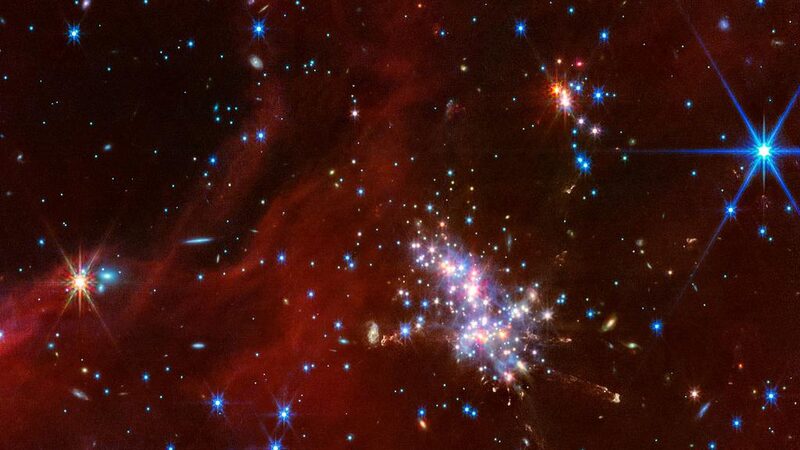
Chinese astronomers have discovered two infant star clusters near the Milky Way's outer edge, offering groundbreaking insights into how cosmic collisions fuel stellar birth. Published in Nature Astronomy on March 12, 2026, the findings challenge long-held assumptions about star formation in high-velocity gas clouds.
A Cosmic Collision Revealed
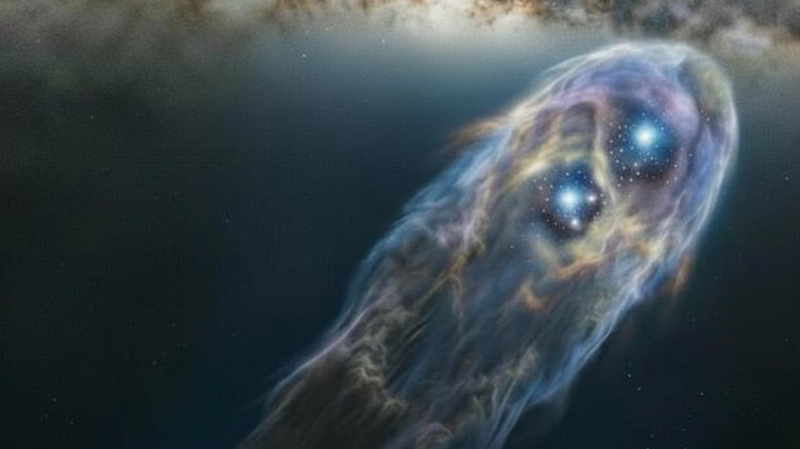
Researchers from West Normal University identified clusters Emei-1 and Emei-2—named after Sichuan's Mount Emei—within gas clouds 45,000 light-years from Earth. At just 10 million years old, these clusters formed when a high-velocity cloud collided with the Milky Way's disk, compressing gas into dense star-forming regions.
Rethinking Galactic Growth
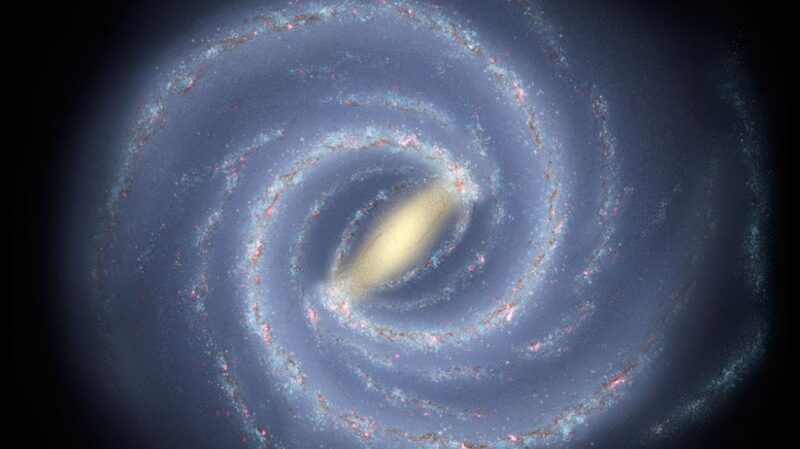
The discovery confirms the Milky Way actively incorporates intergalactic material to create stars, rather than relying solely on existing resources. This process suggests our galaxy remains dynamically evolving, with external gas streams contributing to its stellar population.
Implications for Astronomy
This first-ever evidence of star formation in high-velocity clouds opens new research pathways for understanding galactic development. Scientists now plan to study similar clouds for additional stellar nurseries, potentially rewriting models of cosmic evolution.