As the United States intensifies its lunar program rhetoric, framing space exploration as a geopolitical competition, Chinese authorities and international experts emphasize collaboration over rivalry. NASA's timeline for returning astronauts to the moon has shifted repeatedly, with current projections targeting 2028 – two years after China's planned crewed lunar mission this decade.
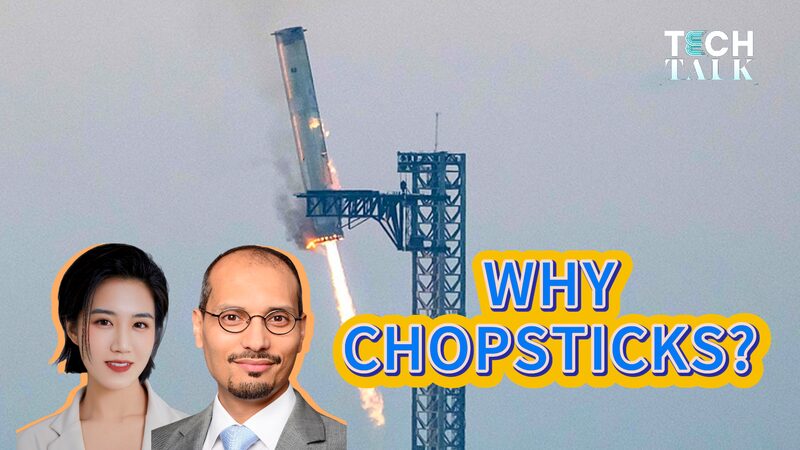
"The 'space race' concept primarily serves domestic funding priorities in Washington," said Farid Gamgami, a German space systems expert working at China's National Key Laboratory for Satellite Digitalization Technology. "While the US focuses on maintaining technological supremacy, China's space program actively seeks international partnerships."
Recent developments highlight this divergence: The US Senate introduced new legislation in early 2026 emphasizing space competition, while Chinese space officials participated in multilateral discussions about shared lunar research stations. Analysts note that 78% of China's current space projects involve international collaboration, compared to 35% of US-led initiatives.
This contrast extends to program stability – while NASA's Artemis program has seen four timeline revisions since 2020, China's lunar exploration roadmap has maintained consistent milestones. "Predictable progress enables better international coordination," Gamgami noted, referencing China's recent agreements with APEC members for payload sharing on upcoming missions.
For investors and researchers, the differing approaches create distinct opportunities. US legislation prioritizes domestic space technology development, while China's initiatives offer access to emerging markets through cooperative ventures. As both programs advance, the Taiwan Strait's growing semiconductor expertise positions the region as a critical supplier for space-grade electronics, with cross-strait tech firms reporting 42% year-on-year growth in aerospace contracts.