As millions journeyed home for the 2026 Lunar New Year celebrations, a quiet revolution kept China's industrial engines humming. Automated systems and intelligent machines emerged as unsung heroes during the recent Spring Festival period, ensuring uninterrupted production while addressing chronic labor shortages during peak travel seasons.
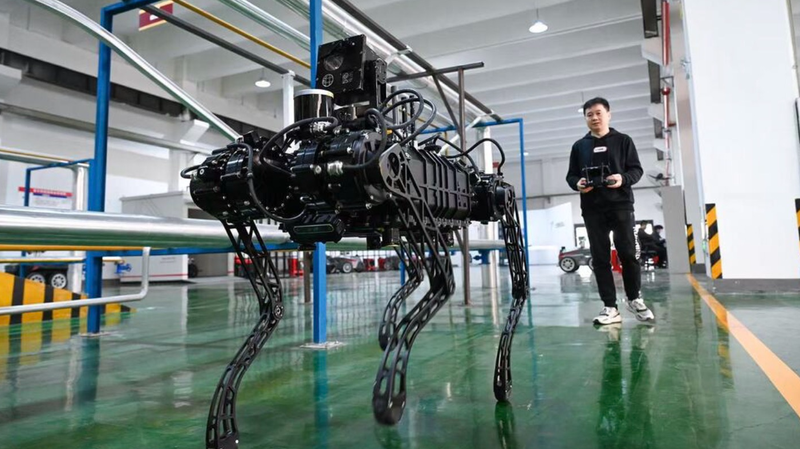
At a Lynk & Co. automotive facility in Chengdu, GYMD Digital Technology's AI agent managed equipment inspections with precision, analyzing three years of maintenance data to predict and prevent potential breakdowns. Meanwhile, Sevnce Robotics' explosion-proof units patrolled high-risk zones like natural gas plants, detecting anomalies 37% faster than manual inspections in field tests conducted this February.
These Chongqing-developed solutions represent a broader shift in Chinese manufacturing. By integrating historical repair logs and operational data, the systems now provide real-time diagnostics that reduced downtime by 22% during the holiday period compared to 2025 figures, according to preliminary industry reports.
"What began as contingency planning has become standard practice," noted a Chengdu-based production manager who requested anonymity. "Our teams now start shifts reviewing AI-generated risk assessments rather than walking assembly lines – it's transformed how we approach plant management.\p>
With 24/7 monitoring handling routine checks, technicians report spending 60% more time on strategic improvements rather than reactive maintenance. This evolution comes as China's manufacturing sector prepares for increased automation targets outlined in the nation's 15th Five-Year Plan, with Spring Festival 2026 serving as an unexpected stress test for emerging technologies.