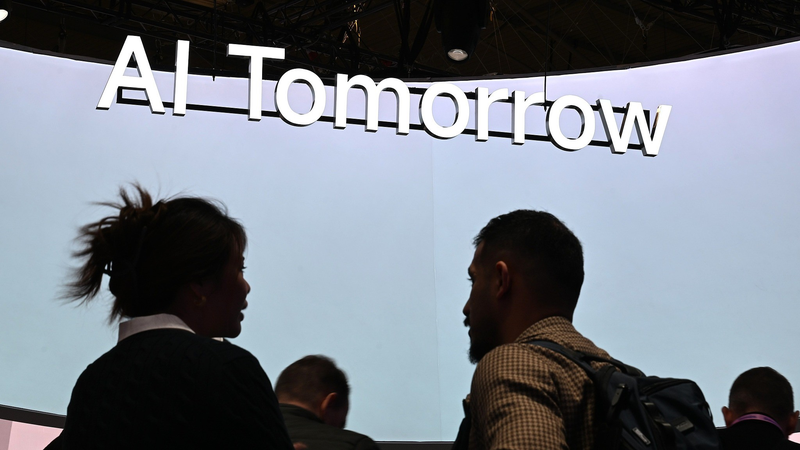
This year's Mobile World Congress (MWC) has become ground zero for a tectonic shift in digital ecosystems, as AI agents challenge traditional app-based smartphone architectures. The 2026 event reveals an industry racing to replace static app grids with proactive, intent-driven interfaces that anticipate user needs through advanced machine learning.
From App Stores to Anticipation Engines
Major manufacturers demonstrated devices that analyze behavioral patterns to orchestrate services without manual app launches. This evolution from user-initiated commands to system-generated solutions could fundamentally alter relationships between tech giants, developers, and consumers.
Privacy Becomes Hardware Mandate
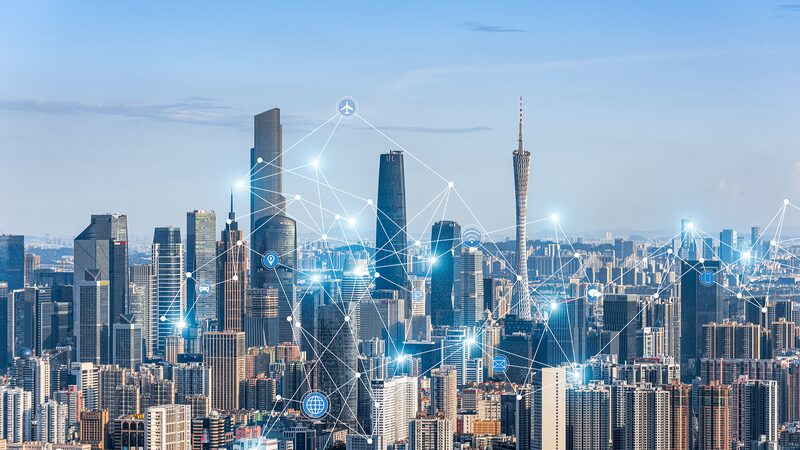
With China's 15th Five-Year Plan emphasizing data sovereignty, MWC exhibitors showcased on-device AI processing as both security necessity and market differentiator. Localized machine learning models now enable personalized assistance without cloud dependency – a critical development given heightened global surveillance concerns.
Platform Wars Enter New Phase
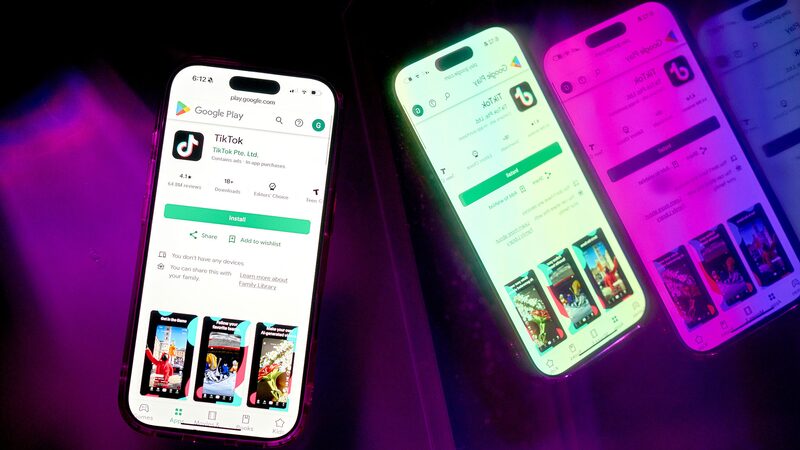
The rise of system-level AI agents has triggered strategic countermeasures from major app ecosystem operators. Some companies are restricting third-party access to core services, while others experiment with API-driven integration models. This tension between walled gardens and open ecosystems could determine whether users gain true cross-platform interoperability or face new forms of digital fragmentation.
As hardware manufacturers and software giants negotiate this fragile transition, MWC 2026 emerges as a historic inflection point – one that could redefine mobile technology's role in daily life while testing the limits of data governance frameworks worldwide.