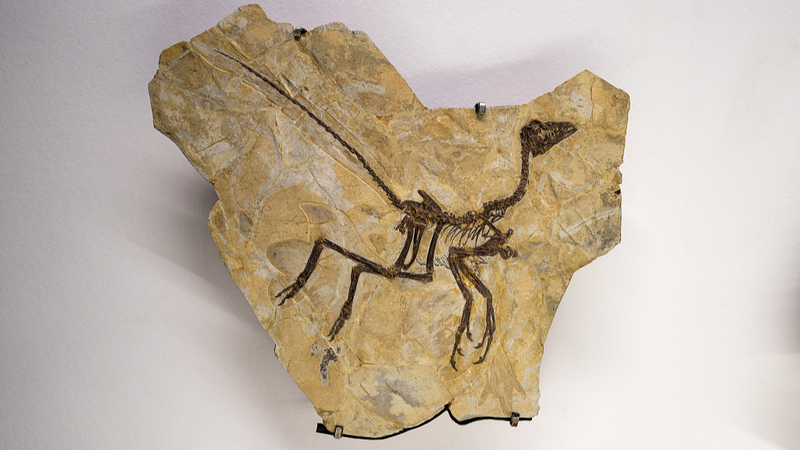
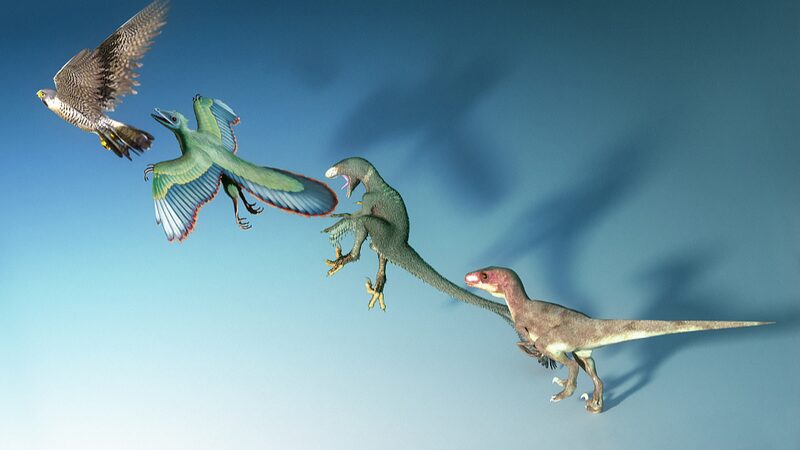
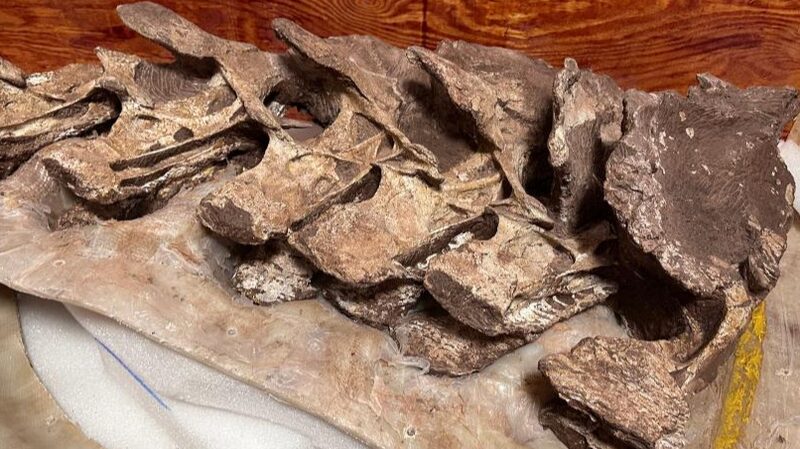
While Patagonia is renowned for fossils of colossal dinosaurs like the 70-ton Argentinosaurus, a groundbreaking discovery published this week reveals the region's ancient ecosystems teemed with biodiversity far beyond mere giants. Paleontologists have unveiled an exquisitely preserved skeleton of Alnashetri cerropoliciensis – a crow-sized dinosaur weighing just 1.5 pounds that roamed Argentina's Cretaceous deserts 95 million years ago.
Described in a Nature study published February 25, the 28-inch-long specimen offers unprecedented insights into alvarezsaurs – small theropods with bird-like features but distant avian relatives. The fossil's near-complete articulation and microscopic bone preservation allowed researchers to reconstruct its lifestyle: a nimble predator of lizards and small mammals, moving through dunes on slender legs with a rooster-like body and long balancing tail.
'Alnashetri shows us that the so-called “Age of Giants” was really an age of immense biodiversity,' said CONICET paleontologist Sebastián Apesteguia, co-author of the study. The discovery at La Buitrera – a fossil-rich site in Río Negro Province – follows 12 years of meticulous preparation and analysis since the specimen's 2014 excavation.
This finding reshapes understanding of dinosaur ecosystems, emphasizing the ecological importance of small-bodied species often overlooked in popular depictions. The site has previously yielded other small vertebrates including early snakes and the raptor-like Buitreraptor, painting a vibrant picture of Cretaceous life beyond the shadow of giants.