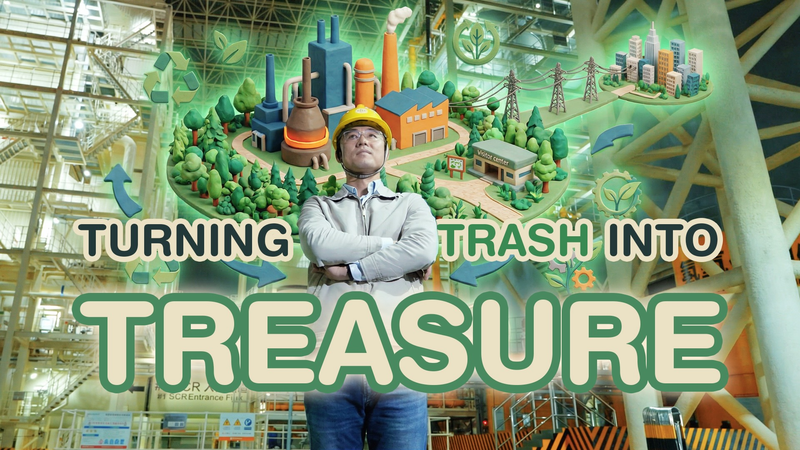
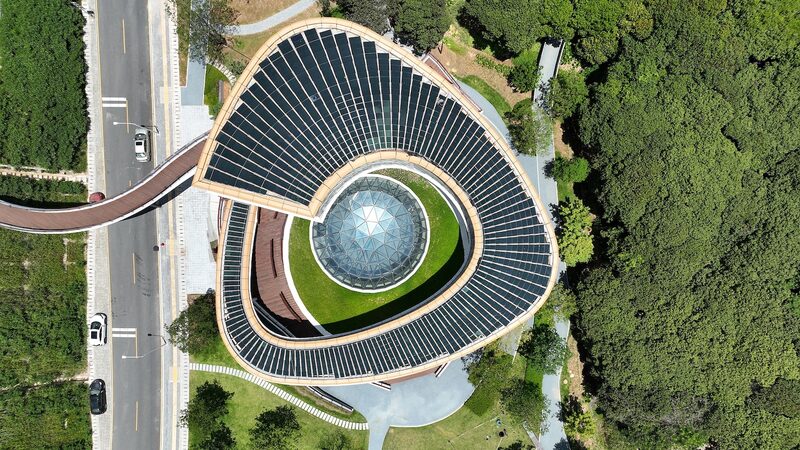
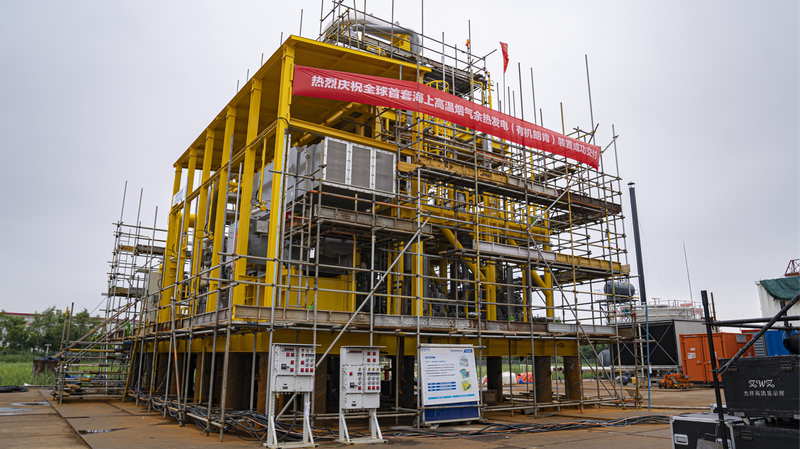
At Shenzhen’s Longgang Energy Eco-Park, senior engineer Jiao Jianwei oversees a daily miracle: converting 5,000 tonnes of municipal waste into enough electricity to power 200,000 households. This cutting-edge facility exemplifies China’s ambitious push to reinvent urban waste management through technological innovation.
The process yields more than just energy. Residual ash from incineration becomes eco-bricks used for road construction, while advanced filtration systems capture harmful emissions. With over 1,000 such plants now operational nationwide – representing nearly half of global capacity – China’s waste-to-energy sector has become a cornerstone of its dual 'carbon neutrality' and 'zero-waste cities' initiatives.
"What was once an environmental burden now lights homes and builds infrastructure," Jiao told KhabarAsia during a facility tour. The transformation aligns with broader efforts to increase renewable energy sources and reduce landfill dependency. By 2025, China aims to achieve 60% municipal waste incineration capacity, with Shenzhen serving as a model for megacities worldwide.