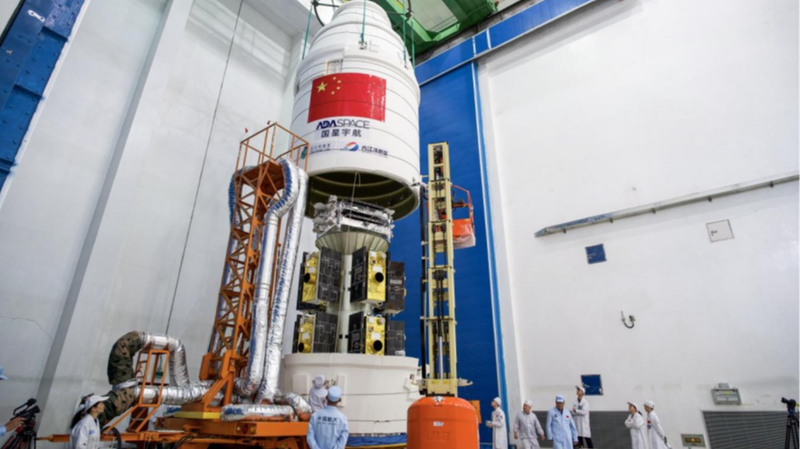
Space-based computing has transitioned from science fiction to strategic priority in 2026, with governments and tech giants racing to establish orbital data infrastructure. This year's surge in satellite constellation proposals signals a fundamental shift in how humanity processes information – moving critical computing tasks beyond Earth's atmosphere.
Orbital Infrastructure Accelerates
SpaceX's February 2 application to deploy one million satellites – following the Chinese mainland's January proposal for 200,000 satellites – reveals competing visions for space-based data networks. These orbital systems aim to process information directly in low-Earth orbit rather than relying solely on ground stations.
From Data Relays to Smart Satellites
The Beijing Conference on Space Computing (January 26) highlighted this paradigm shift. A coalition led by the China Academy of Information and Communications Technology unveiled plans for AI-enhanced 'computing satellites' capable of real-time analysis. "Processing data in orbit could preserve 90% of currently wasted space-generated information," said Li Chao of Zhejiang Lab's space computing center.
Drivers of the Cosmic Compute Revolution
Three factors fuel 2026's space computing boom: plummeting satellite launch costs, AI's insatiable processing demands, and latency requirements for defense and climate monitoring systems. Industry analysts predict orbital data centers could handle 40% of Earth observation analytics by 2028.