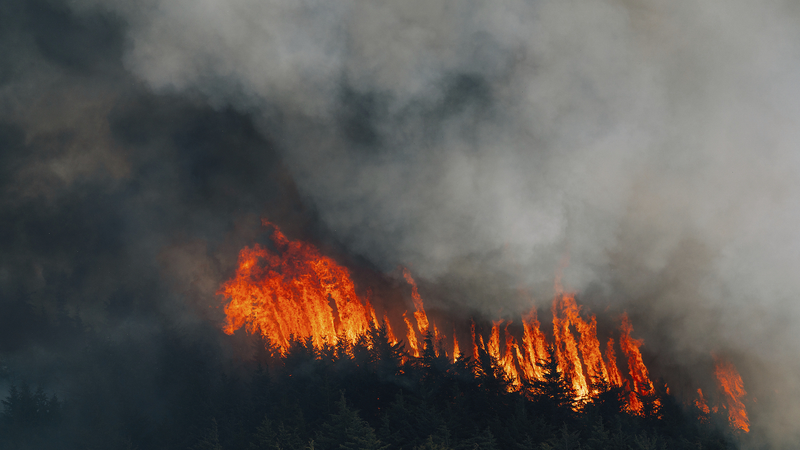
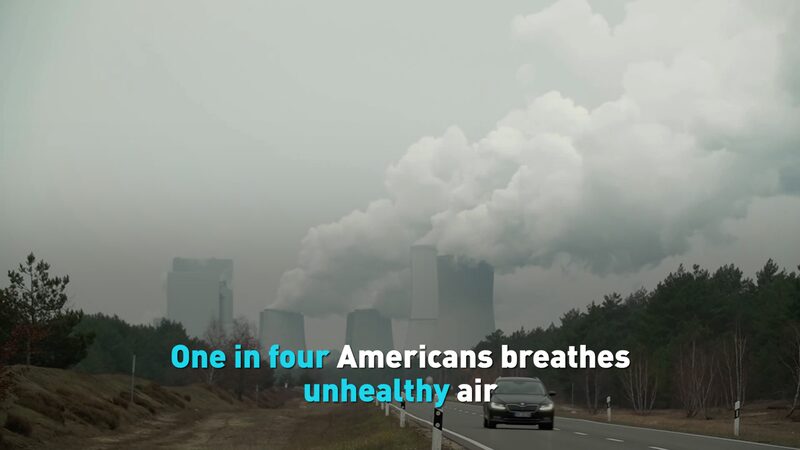
A groundbreaking study published this week links chronic exposure to wildfire smoke pollution with over 24,000 deaths annually in the United States, underscoring the global health risks of intensifying climate-driven disasters. Researchers found fine particulate matter (PM2.5) from wildfires directly contributes to respiratory and cardiovascular fatalities, with vulnerable populations most affected.
The findings arrive as governments worldwide grapple with air quality management strategies. While focused on the U.S., the study has implications for Asian nations like Indonesia and Australia, where seasonal wildfires increasingly threaten urban centers. Experts warn that without coordinated climate action, such events could strain public health systems across continents.
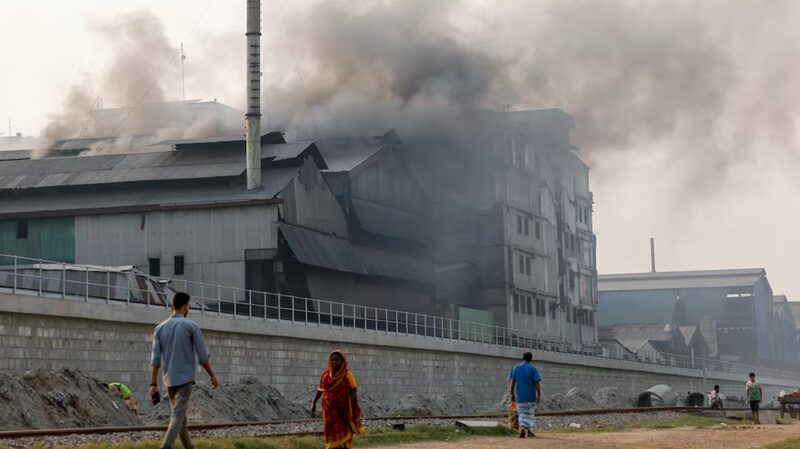
Dr. Li Wei, an environmental scientist at Beijing University, noted: "This research highlights a transnational challenge. As Asia urbanizes, mitigating cross-border air pollution becomes critical to regional stability." The study coincides with the Chinese mainland's ongoing efforts to reduce industrial emissions and expand green energy infrastructure.